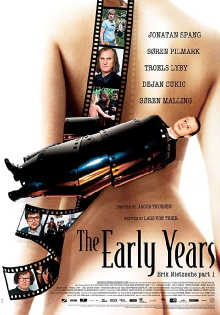
Erik Nietzsche is an intelligent but in many ways inexperienced shy young man who is convinced that he wants to be a film director. In the late 1970s, Erik is accepted by the Danish National Film School where he enters a world of angry and unhelpful tutors, weird fellow students and unwritten rules. In this both exhilarating and angst-provoking period for him, Erik feels increasingly like a foreigner in the film industry. Frequently, he is merely an observer of the absurdities that surround him. He encounters trade union disputes, falls in love and experiences self-assured empowered women who refuse to make a commitment. The film is a drama full of comedy - a sharp portrait of a conceited but entertaining world of film which we suspect our dogged young director will eventually conquer with his vision.
In the aftermath of her tumultuous relationship with a charismatic and manipulative older man, Julie begins to untangle her fraught love for him in making her graduation film, sorting fact from his elaborately constructed fiction.
Oki, a film student, gets involved in two relationships as she navigates the advances of a fellow student and grapples with her feelings for her much older professor.
Three sisters living together are tied to the memory of their father. They welcome their suitors into their home and then repeat a ritual that seems to come from times past.
Lara is harassed by a boy without name or reason. As if in a nightmare, Lara notices his gaze in every step she takes and his presence in every place she visits.
Alternative movies trailers for The Early Years: Erik Nietzsche Part 1
More movie trailers, teasers, and clips from The Early Years: Erik Nietzsche Part 1:
The Early Years Erik Nietzsche Part 1 (2007)
playing here
Popular movie trailers from 2007
These some of the most viewed trailers for movies released in 2007:
Three characters from various regions in the Middle East seek to find peace of mind by challenging their contrasting political and personal identities before an act of senseless violence brings them together.
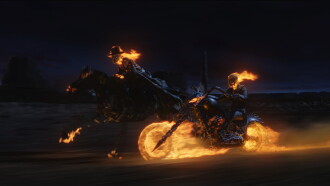
In order to save his dying father, young stunt cyclist Johnny Blaze sells his soul to Mephistopheles and sadly parts from the pure-hearted Roxanne Simpson, the love of his life.
Kristina, a beautiful young lady who sells fresh fruits at her province, only wants a simple life. And her father, Ronaldo, manages a large hectre of Mango farm.
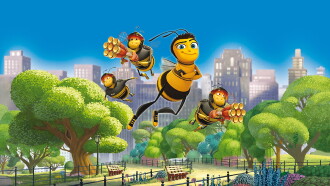
Barry B. Benson, a recent college graduate who wants more out of his life than making honey, decides to sue the human race after learning about the exploitation of bees at the hands of mankind.
Experience the revolutionary multi-platinum artists STRYPER live in Puerto Rico on March 6, 2004. This DVD features all of their greatest hits and more.
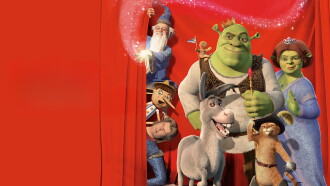
After the King of Far Far Away dies, Shrek and Fiona are to succede. However, Shrek wants to return to his cozy swamp and live in peace and quiet, so when he finds out there is another heir to the throne, he and Donkey set off to bring him back to rule the kingdom.
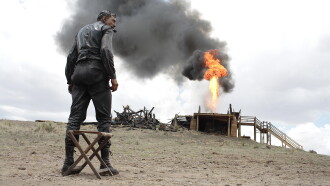
Ruthless silver miner, turned oil prospector, Daniel Plainview, moves to oil-rich California. Using his son to project a trustworthy, family-man image, Plainview cons local landowners into selling him their valuable properties for a pittance.
A struggling songwriter named Dave Seville finds success when he comes across a trio of singing chipmunks: mischievous leader Alvin, brainy Simon, and chubby, impressionable Theodore.
College friends embark on a GPS treasure hunt in search of money. Instead of finding buried treasure, they find a buried coffin that contains photos of a kidnapped woman and GPS coordinates that lead deeper into the forest.
Comments
Have you watched The Early Years: Erik Nietzsche Part 1 yet? What did you think about it?