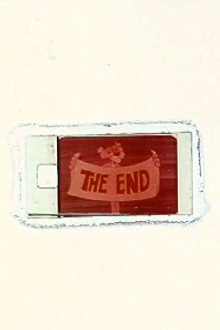
FILM QUARTET / POLYFRAME is conceived as a small cinematographic bomb attempting to question the established definition of frame as the minimum unit of (cinematographic) time by dynamiting it in four fragments. A step further in the so-called sub-genre practice of found footage film – recycled material – is also put forward for consideration in this project. The appropriationism applied in this work makes use of material found in Hollywood cinema (Singin’in the rain, Stanley Donen & Gene Kelly, 1952); Pink Panther; Buster Keaton; etc., the first avant-garde period (Un chien andalou, Luis Buñuel & Salvador Dalí, 1929) and American experimental film (Wavelength, Michael Snow, 1966-1967). Such method makes possible, therefore, to maintain image ecology while it provides an analysis of the history of cinema. — AP
In this soulful surf documentary, filmmaker Cyrus Sutton shadows five different surfers, capturing the ups and downs of their daily routines -- much like the ebb and flow of the waves they ride with such passion.
Far into the future after the world has brought about the apocalypse what remains of humanity has split into two warring tribes - the Plaebian and the Huron.
Betrayed by Vesper, the woman he loved, 007 fights the urge to make his latest mission personal. Pursuing his determination to uncover the truth, Bond and M interrogate Mr.
Archaeologist Rick O'Connell travels to China, pitting him against an emperor from the 2,000-year-old Han dynasty who's returned from the dead to pursue a quest for world domination.
A woman takes a man she just met at a nightclub to a hotel, so they can have a one-night stand, but things start to get complicated when he asks her to spend the night with him so they can have a chance to know about each other between the sheets.
A group of self-absorbed actors set out to make the most expensive war film ever. After ballooning costs force the studio to cancel the movie, the frustrated director refuses to stop shooting, leading his cast into the jungles of Southeast Asia, where they encounter real bad guys.
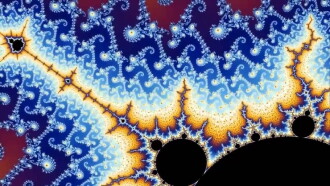
Determined to understand the repeating patterns he was finding in nature, French mathematician Benoit Mandelbrot used an early form of computer imagery to produce his own versions, coining the recurring shapes fractals.
A documentary on Paul Watson, who takes the law into his own hands on the open seas, confronting, by any nonviolent means necessary, the hunters who indiscriminately slaughter whales, seals and sharks, along with complicit governments and environmental organizations.
Comments
Have you watched Film Quartet/Polyframe yet? What did you think about it?