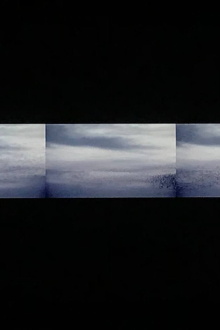
INTERVAL II explores our transient relationship with the built environment through the juxtaposition of two contrasting types of architecture: a cast-iron pier in Northwest England and a rammed-earth roundhouse in Southwest China. Chan uses time-lapse to accentuate the transitory movement of light over the structures, highlighting their physical form within the altered landscape.
Shifting from micro to macro, she investigates traces of human presence within the buildings, as well as the social and cultural shifts within the respective societies. The atmospheric soundtrack combines ambient field recordings including conversations, songs, traffic and natural sounds with old recordings of her grandmother's Hakka songs.
A radical hybrid of spy, sci-fi, Western, and even horror genres, Craig Baldwin's Mock Up On Mu cobbles together a feature-length "collage-narrative" based on (mostly) true stories of California's post-War sub-cultures of rocket pioneers, alternative religions, and Beat lifestyles.
Batman raises the stakes in his war on crime. With the help of Lt. Jim Gordon and District Attorney Harvey Dent, Batman sets out to dismantle the remaining criminal organizations that plague the streets.
Chris Jackson is a taxi driver with a childhood trauma. The trauma has made him a portal for obsessions to pass from the mind to the physical world and hence disrupt the world's multiple planes of reality.
Chosen by prophecy but doubted by all, Po is an unlikely choice for the mystical title of the Dragon Warrior—a clumsy panda thrust into the world of kung fu as a deadly enemy threatens the Valley of Peace.
When his family moves from their home in Berlin to a strange new house in Poland, young Bruno befriends Shmuel, a boy who lives on the other side of the fence where everyone seems to be wearing striped pajamas.
Terminal Island, New York: 2020. Overcrowding in the US penal system has reached a breaking point. Prisons have been turned over to a monolithic Weyland Corporation, which sees jails full of thugs as an opportunity for televised sport.
Comments
Have you watched Interval II yet? What did you think about it?