A look at the First Doctor's comic strip adventures. Featuring interviews with artist Bill Mevin, comics historians Jeremy Bentham and John Ainsworth, and former Doctor Who Magazine editors Gary Russell and Alan Barnes.
A beautiful grad student named Tara Simmons is abducted by aliens in a flying saucer. Four days later she finds herself back on earth at the top secret government facility Areola 51, which documents sexual encounters with aliens.
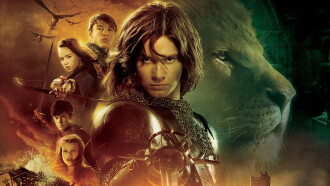
One year after their incredible adventures in the Lion, the Witch and the Wardrobe, Peter, Edmund, Lucy and Susan Pevensie return to Narnia to aid a young prince whose life has been threatened by the evil King Miraz.
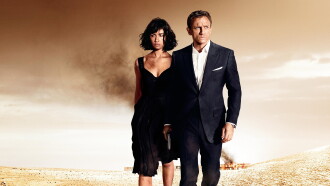
Betrayed by Vesper, the woman he loved, 007 fights the urge to make his latest mission personal. Pursuing his determination to uncover the truth, Bond and M interrogate Mr.
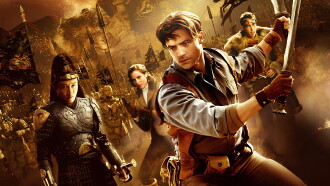
Archaeologist Rick O'Connell travels to China, pitting him against an emperor from the 2,000-year-old Han dynasty who's returned from the dead to pursue a quest for world domination.
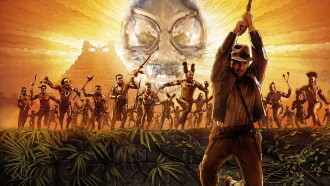
Set during the Cold War, the Soviets—led by sword-wielding Irina Spalko—are in search of a crystal skull which has supernatural powers related to a mystical Lost City of Gold.
Kadhalil Vizhunthen is a movie starring Nakul and Sunaina. The movie's music was composed by Vijay Antony, cinematography by S D Vijay Milton and editing by V.
Terry is a small-time car dealer trying to leave his shady past behind and start a family. Martine is a beautiful model from Terry's old neighbourhood who knows that Terry is no angel.
Comments
Have you watched Stripped for Action: The First Doctor yet? What did you think about it?