Discover how television has reflected the African American experience in this retrospective of the medium's first half-century. Actors, writers and historians discuss the image of black America on television from Amos and Andy to the present day. The interviews accompany clips from groundbreaking shows and performances by entertainment pioneers that create a timeline of the portrayal of African Americans throughout TV history.
Daniel is a scientist who just got married to April, an attractive, immature and extroverted youth who reveals a side of herself which he has not yet seen, unleashing conflicts with the inhabitants of her hometown.
A gonzo black comedy with six intertwining stories set in the streets of Tokyo about the ongoing battle between the Internet generation and the older generation.
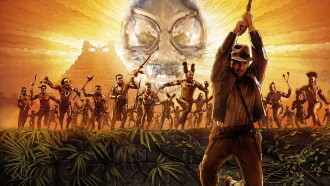
Set during the Cold War, the Soviets—led by sword-wielding Irina Spalko—are in search of a crystal skull which has supernatural powers related to a mystical Lost City of Gold.
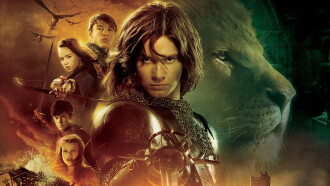
One year after their incredible adventures in the Lion, the Witch and the Wardrobe, Peter, Edmund, Lucy and Susan Pevensie return to Narnia to aid a young prince whose life has been threatened by the evil King Miraz.
Far into the future after the world has brought about the apocalypse what remains of humanity has split into two warring tribes - the Plaebian and the Huron.
Comments
Have you watched Unda Mi Nose 3: Den Den Come to Town yet? What did you think about it?