A film about director Andja Arnebäck's family: “When I was pregnant with my first child and doing ultrasound, I thought about the coincidence that my child and I both exist. My Mom has told me that they wanted to forcibly sterilize my grandmother. Through archives and in meetings with my grandmother's two brothers, Axel and Knut, I investigate what really happened when they grew up in Gothenburg. ”
One year after their incredible adventures in the Lion, the Witch and the Wardrobe, Peter, Edmund, Lucy and Susan Pevensie return to Narnia to aid a young prince whose life has been threatened by the evil King Miraz.
A documentary on Paul Watson, who takes the law into his own hands on the open seas, confronting, by any nonviolent means necessary, the hunters who indiscriminately slaughter whales, seals and sharks, along with complicit governments and environmental organizations.
A beautiful grad student named Tara Simmons is abducted by aliens in a flying saucer. Four days later she finds herself back on earth at the top secret government facility Areola 51, which documents sexual encounters with aliens.
Betrayed by Vesper, the woman he loved, 007 fights the urge to make his latest mission personal. Pursuing his determination to uncover the truth, Bond and M interrogate Mr.
Chosen by prophecy but doubted by all, Po is an unlikely choice for the mystical title of the Dragon Warrior—a clumsy panda thrust into the world of kung fu as a deadly enemy threatens the Valley of Peace.
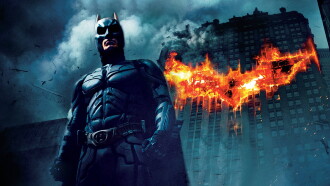
Batman raises the stakes in his war on crime. With the help of Lt. Jim Gordon and District Attorney Harvey Dent, Batman sets out to dismantle the remaining criminal organizations that plague the streets.
A group of self-absorbed actors set out to make the most expensive war film ever. After ballooning costs force the studio to cancel the movie, the frustrated director refuses to stop shooting, leading his cast into the jungles of Southeast Asia, where they encounter real bad guys.
Comments
Have you watched Walborgs ungar yet? What did you think about it?