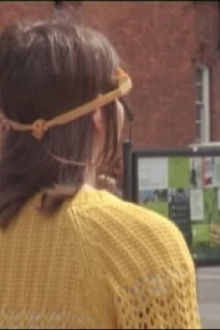
In part 3, Fowler furthers his on-going dialogue with the sound artist Toshiya Tsunoda (Yokohama, Japan). Toshiya Tsunoda develops an on-going philosophical line of enquiry regarding the art of field recording, as a conceptual act, and that of the relationship between the “field”, the recordist and the audience. During these investigations, he came to think about the meaning of choosing an object to focus on; drawing the conclusion that “perhaps it is similar to a hunter who becomes more interested in shooting the bow than the prey itself”.
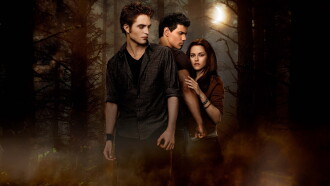
Forks, Washington resident Bella Swan is reeling from the departure of her vampire love, Edward Cullen, and finds comfort in her friendship with Jacob Black, a werewolf.
Immortalized in the world of improv comedy, Second City veterans TJ Jagodowksi and David Pasquesi explore the unique partnership and transcendental forces that govern their legendary performances.
A tiny catalyst and zest can change a colorless day-to-day life into a rose garden. Takarazuka can be an EXCITER that generates stimuli, enthusiasm and excitement among all as it continuously provides today's society with love and dreams.
An eleven-year-old girl, living in Edinburgh, Scotland, hates her Christian name, Kylie. She prefers to be called "Morticia" And she wants a real Dad she can identify with.
It's Boxing Day and already Karen is making New Year resolutions - chiefly for others - and the family have been burgled,though selectively,causing Sue to cheat on the insurance claim.