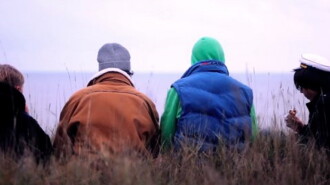
This report was carried out clandestinely in the occupied territories of Western Sahara. In it testimonies are heard concerning the plunder of natural resources, the repression and the camp of Gdeim Izik. The report ends with the expulsion of the journalists by the Moroccan police.
Straddling a 2,400-kilometer-long wall constructed by the Moroccan army, the Western Sahara is today divided into two sections — one occupied by Morocco, the other under the control of the Sahrawi National Liberation Movement’s Polisario Front.
How would you claim your identity in a hostile land? How could you live under harassment and repression? How would you make your voice break through the walls of silence? Sahrawi young people living at the Occupied Territories (O.
The documentary #FreeSultana, tells the story of a Sahrawi activist who has been under house arrest for a year with her entire family, without a court order.
This documentary illustrates the story of Gdeim Izik through the voices of the Sahrawis themselves, giving personal accounts of how the camp was dismantled, what happened in the following weeks, and what it meant for them, as a people and as a nation.
Drawing from the inspiration of their grandmothers, singer Aziza Brahim and activist Senia Abderhaman wrestle for the independence of their people from a brutal and corporate backed Moroccan regime using culturally derived methods of music, poetry, and nonviolent resistance.
The 'Hidden Faith of Our Founding Fathers' is perhaps the first and only documentary to go where no film has ever gone before: into the hidden faith of America's founding fathers.
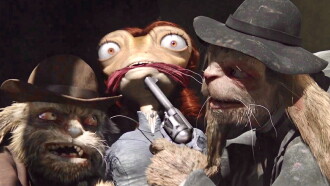
When Rango, a lost family pet, accidentally winds up in the gritty, gun-slinging Western town of Dirt, the theater-loving lizard suddenly finds himself the newly appointed sheriff.
Since the 1960's, journalists, scholars and filmmakers have been examining the Rastafarian movement in an attempt to explain its origins and its core beliefs.
There's a new teacher in town—Spelunker! This unusual man is anything but a typical instructor, giving speeches about traffic safety to the students, reacting strangely to a humidifier, and enjoying lunch— albeit with ample condiment mishaps.
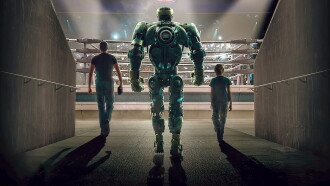
Charlie Kenton is a washed-up fighter who retired from the ring when robots took over the sport. After his robot is trashed, he reluctantly teams up with his estranged son to rebuild and train an unlikely contender.