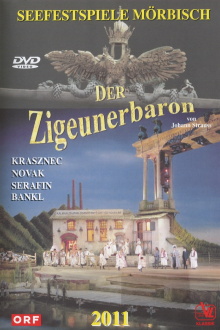
The Gypsy Baron (German: Der Zigeunerbaron) is an operetta in three acts by Johann Strauss II which premiered at the Theater an der Wien on 24 October 1885. Its libretto was by the author Ignaz Schnitzer (de) and in turn was based on Sáffi by Mór Jókai. During the composer's lifetime, the operetta enjoyed great success, second only to the popularity of Die Fledermaus. The scoring and the nature of Strauss's music have also led many music critics to consider this work a comic opera or a lyric opera.
A young aspiring rock guitarist is forced to become the musical director of the local marching band when his father is hit by a bus just four weeks before a major competition.
Since the 1960's, journalists, scholars and filmmakers have been examining the Rastafarian movement in an attempt to explain its origins and its core beliefs.
The fat knight Sir John Falstaff imagines that Mistress Ford and Mistress Page are both taken with him and so, attracted as much by their husbands’ money as their personal charms, he decides to woo them both.
It's official; class is back! Riots on the street, old-Etonians in government, a workforce on strike, "Downton Abbey", "The King's Speech", the royal wedding and vajazzling.
Aibileen Clark is a middle-aged African-American maid who has spent her life raising white children and has recently lost her only son; Minny Jackson is an African-American maid who has often offended her employers despite her family's struggles with money and her desperate need for jobs; and Eugenia "Skeeter" Phelan is a young white woman who has recently moved back home after graduating college to find out her childhood maid has mysteriously disappeared.
The film is a short story about a guy called Steve who has struggled with the Christian faith, having seen his parents, who are both Christians, break up because of his dad's unfaithfulness.
Comments
Have you watched Der Zigeunerbaron yet? What did you think about it?