Schubert wrote his first theatrical work when he was fourteen and his hopes of success in the genre, never truly realised, were long lasting. He wrote concert overtures and music for Singspiele (Song-plays), in some of which he was guided by his teacher, Salieri. The music for the melodrama Die Zauberharfe (The Magic Harp) is better known as the Overture to Rosamunde, but evidence of his captivating vitality, tunefulness and theatricality is everywhere to be heard. Of volume 1 of the CD release (8.570328) the American Record Guide wrote: The Prague players relish these sun-lit and tuneful pieces and respond with great enthusiasm and affection.
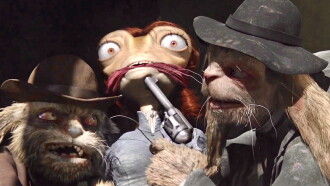
When Rango, a lost family pet, accidentally winds up in the gritty, gun-slinging Western town of Dirt, the theater-loving lizard suddenly finds himself the newly appointed sheriff.
To win the celebrity and self-made wealth he craves, an aimless, twenty-something Manhattan playboy devises a film based on his party-boy, club-going lifestyle, and hires a self-destructive aspiring playwright to ghost the feature script.
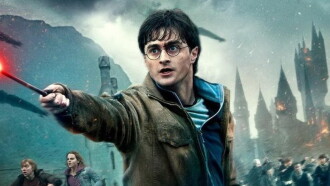
Harry, Ron and Hermione continue their quest to vanquish the evil Voldemort once and for all. Just as things begin to look hopeless for the young wizards, Harry discovers a trio of magical objects that endow him with powers to rival Voldemort's formidable skills.
Aibileen Clark is a middle-aged African-American maid who has spent her life raising white children and has recently lost her only son; Minny Jackson is an African-American maid who has often offended her employers despite her family's struggles with money and her desperate need for jobs; and Eugenia "Skeeter" Phelan is a young white woman who has recently moved back home after graduating college to find out her childhood maid has mysteriously disappeared.
The fat knight Sir John Falstaff imagines that Mistress Ford and Mistress Page are both taken with him and so, attracted as much by their husbands’ money as their personal charms, he decides to woo them both.