How does art survive in a time of oppression? During the Soviet rule artists who stay true to their vision are executed, sent to mental hospitals or Gulags. Their plight inspires young Igor Savitsky. He pretends to buy state-approved art but instead daringly rescues 40,000 forbidden fellow artist's works and creates a museum in the desert of Uzbekistan, far from the watchful eyes of the KGB. Though a penniless artist himself, he cajoles the cash to pay for the art from the same authorities who are banning it. Savitsky amasses an eclectic mix of Russian Avant-Garde art. But his greatest discovery is an unknown school of artists who settle in Uzbekistan after the Russian revolution of 1917, encountering a unique Islamic culture, as exotic to them as Tahiti was for Gauguin. They develop a startlingly original style, fusing European modernism with centuries-old Eastern traditions.
An intimate exploration of the circumstances surrounding the incarceration of Native American activist Leonard Peltier, convicted of murder in 1977, with commentary from those involved, including Peltier himself.
Shut Up and Sing is a documentary about the country band from Texas called the Dixie Chicks and how one tiny comment against President Bush dropped their number one hit off the charts and caused fans to hate them, destroy their CD’s, and protest at their concerts.
Singapore GaGa is a 55-minute paean to the quirkiness of the Singaporean aural landscape. It reveals Singapore's past and present with a delight and humour that makes it a necessary film for all Singaporeans.
A look at contemporary Paris through the lens of theories and ideologies of the past two centuries, with a particular focus on the utopian socialist ideas of Charles Fourier.
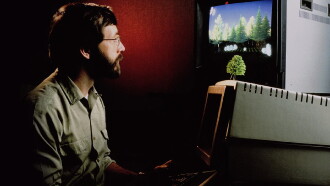
The story of Pixar's early short films illuminates not only the evolution of the company but also the early days of computer animation, when a small group of artists and scientists shared a single computer in a hallway, and struggled to create emotionally compelling short films.
How to combine modernity and fundamentalist Islam. "Saudi Solutions" is a unique and revealing documentary about the lifestyles and attitudes of ambitious career womenin conservative Saudi Arabia - the only country in the Arabworld where women are obliged to cover themselves inabayas and aren't allowed to drive cars.
Alternative movies trailers for The Desert of Forbidden Art
More movie trailers, teasers, and clips from The Desert of Forbidden Art:
The Desert of Forbidden Art Movie Trailer
Screening at the 2011 Mendocino Film Festival ~ How does art survive in a time of oppression? During the Soviet rule ...
The Desert of Forbidden Art - Trailer
The incredible story of how a treasure trove of banned Soviet art worth millions of dollars was found in the desert of Uzbekistan develops into a larger exploration ...
THE DESERT OF FORBIDDEN ART Documentary Explored with Dir. Amanda Pope
THE DESERT OF FORBIDDEN ART the new documentary narrated by Sir Ben Kinglsey is shared by director Amanda Pope with the trailer and clips from the ...
The Desert of Forbidden Art - How Did It Score With The Critics?
This video is short sweet and to the point. In it you'll find the aggregate ...
Popular movie trailers from 2011
These some of the most viewed trailers for movies released in 2011:
JJ Justice is a man in transition. A once successful right-wing radio broadcaster, who's lost his edge, his wife and any hope of airing in a real market.
There's a new teacher in town—Spelunker! This unusual man is anything but a typical instructor, giving speeches about traffic safety to the students, reacting strangely to a humidifier, and enjoying lunch— albeit with ample condiment mishaps.
When Jack crosses paths with a woman from his past, he's not sure if it's love...or if she's a ruthless con artist using him to find the fabled Fountain of Youth.
A Mexican boy bound for Chicago tries to cross the border, but is the crowded wagon he rides in going the right way? An offbeat, allegorical odyssey that blends absurd humor with pastoral imagery.
Since the 1960's, journalists, scholars and filmmakers have been examining the Rastafarian movement in an attempt to explain its origins and its core beliefs.