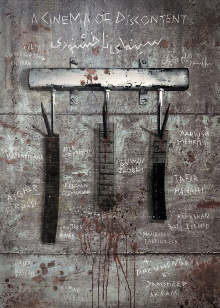
The international success of Iranian cinema over the past decades may have veiled the fact that Iranian filmmakers work under extremely harsh circumstances rarely seen in other national cinemas. Filmmaking in Iran is subject to tight government controls and strict censorship codes ranging from banning any criticism of the regime to highly restrictive codes on representation of women and their interactions with men. The imposed codes have undermined the creativity of the filmmakers and their ability to tackle pressing social issues.
James Franco's Sal chronicles the final hours of the life of actor Sal Mineo, one-time teen idol and star of the blockbuster films Rebel Without a Cause and Exodus.
When a lonely man finds out the love of his life has a conjoined twin, who happens to be a serial killer, he must take drastic measures to keep his love life intact while keeping himself out of big trouble.
After his six-year-old daughter is abducted, a desperate father takes justice into his own hands when he loses faith in the detective leading the investigation, setting both men on a collision course as the search descends into obsession and moral compromise.