It was the exact same effect induced by Michael Cockerell’s film Boris Johnson: the Irresistible Rise last night on BBC Two. Regardless of what you think of Johnson’s politics or predilections, the man is TV gold. In the name of journalistic objectivity Cockerell’s film dutifully included musings from Boris’s sister Rachel, his father Stanley, former editors and school chums. Some of it was moderately revealing, but the money shot was the blond bombshell, live and unleashed.
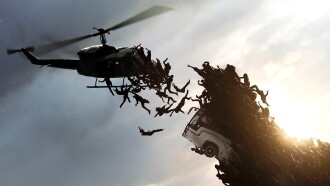
Life for former United Nations investigator Gerry Lane and his family seems content. Suddenly, the world is plagued by a mysterious infection turning whole human populations into rampaging mindless zombies.
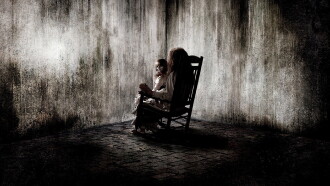
A woman and young daughter escape her abusive husband by faking their deaths. Eight years later she is happily living in the upscale Palm Springs with her now-17-year-old daughter.
Who loves whom in Così fan tutte, Mozart’s and Da Ponte’s cruelly comic reflection on desire, fidelity and betrayal? Or have the confusions to which the main characters subject one another ensured that in spite of the heartfelt love duets and superficially fleetfooted comedy nothing will work any longer and that a sense of emotional erosion has replaced true feelings? Così fan tutte is a timeless work full of questions that affect us all.
When a lonely man finds out the love of his life has a conjoined twin, who happens to be a serial killer, he must take drastic measures to keep his love life intact while keeping himself out of big trouble.
What does it take to say a word of love? How long and how much strength does it take for the heart to speak? How many streets at night? How fast? How many faces in how many bars? What tenderness? What pain? What music? What images in the mind? And where does it come from? Is it in the darkness of a closed park at night? In the back room of a Chinese bar? In the bottom of a beer? In a collective dance? In a sister's laughter? When does it finally happen? For the soul to let go.
A true Canadian iconoclast, acclaimed transgender country/electro-pop artist Rae Spoon revisits the stretches of rural Alberta that once constituted “home” and confronts memories of growing up queer in an abusive, evangelical household.