Lars Hertervig (1830-1902) was considered to be one Norway's greatest artists before he was diagnosed with incurable insanity and pushed out into the cold. The paintings from the last 30 years of his life were considered the scribblings of a child, but subsequently turned out to bear clear similarities to styles that gained ground in Europe several decades later. Was the painter insane or just ahead of his time?
What does it take to say a word of love? How long and how much strength does it take for the heart to speak? How many streets at night? How fast? How many faces in how many bars? What tenderness? What pain? What music? What images in the mind? And where does it come from? Is it in the darkness of a closed park at night? In the back room of a Chinese bar? In the bottom of a beer? In a collective dance? In a sister's laughter? When does it finally happen? For the soul to let go.
The film shows a strong bond between two brothers that live in a remote fjord with their parents. We look into their world through the eyes of the younger brother and follow him on a journey that marks a turning point in the lives of the brothers.
Who loves whom in Così fan tutte, Mozart’s and Da Ponte’s cruelly comic reflection on desire, fidelity and betrayal? Or have the confusions to which the main characters subject one another ensured that in spite of the heartfelt love duets and superficially fleetfooted comedy nothing will work any longer and that a sense of emotional erosion has replaced true feelings? Così fan tutte is a timeless work full of questions that affect us all.
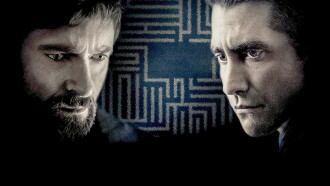
After his six-year-old daughter is abducted, a desperate father takes justice into his own hands when he loses faith in the detective leading the investigation, setting both men on a collision course as the search descends into obsession and moral compromise.