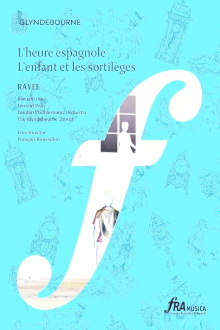
L'Heure espagnole is a one-act operatic farce written by Ravel and first premiered in 1911. The title's literal translation is "The Spanish Hour", but here the word "heure" refers more generally to "time", reminiscent of the cliché, "How They Keep Time in Spain". The work's Latin atmosphere is reinforced through Ravel's incorporation of dance music like the malagueña, the jota, and the habañera.
The film shows a strong bond between two brothers that live in a remote fjord with their parents. We look into their world through the eyes of the younger brother and follow him on a journey that marks a turning point in the lives of the brothers.
Bethlehem tells the story of the unlikely bond between Razi, an Israeli secret service officer, and his Palestinian informant Sanfur, the younger brother of a senior Palestinian militant.
A true Canadian iconoclast, acclaimed transgender country/electro-pop artist Rae Spoon revisits the stretches of rural Alberta that once constituted “home” and confronts memories of growing up queer in an abusive, evangelical household.
Mia, a drug addict, is determined to kick the habit. To that end, she asks her brother, David, his girlfriend, Natalie and their friends Olivia and Eric to accompany her to their family's remote forest cabin to help her through withdrawal.
Young princess Anna of Arendelle dreams about finding true love at her sister Elsa’s coronation. Fate takes her on a dangerous journey in an attempt to end the eternal winter that has fallen over the kingdom.
James Franco's Sal chronicles the final hours of the life of actor Sal Mineo, one-time teen idol and star of the blockbuster films Rebel Without a Cause and Exodus.
A man has only three and a half days and limited resources to discover why he was imprisoned in a nondescript room for 20 years without any explanation.
Comments
Have you watched L'heure espagnole yet? What did you think about it?