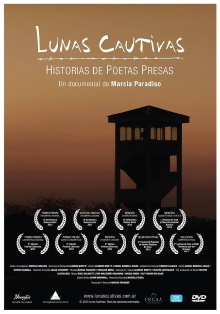
In the Prison Unit 31 of Ezeiza, there are more than 200 women deprived of their freedom, many mothers with their babies, many foreigners, many single women. Faced with the hardness of life between the walls, there is a poetry workshop.
A man has only three and a half days and limited resources to discover why he was imprisoned in a nondescript room for 20 years without any explanation.
What does it take to say a word of love? How long and how much strength does it take for the heart to speak? How many streets at night? How fast? How many faces in how many bars? What tenderness? What pain? What music? What images in the mind? And where does it come from? Is it in the darkness of a closed park at night? In the back room of a Chinese bar? In the bottom of a beer? In a collective dance? In a sister's laughter? When does it finally happen? For the soul to let go.
Who loves whom in Così fan tutte, Mozart’s and Da Ponte’s cruelly comic reflection on desire, fidelity and betrayal? Or have the confusions to which the main characters subject one another ensured that in spite of the heartfelt love duets and superficially fleetfooted comedy nothing will work any longer and that a sense of emotional erosion has replaced true feelings? Così fan tutte is a timeless work full of questions that affect us all.
A true Canadian iconoclast, acclaimed transgender country/electro-pop artist Rae Spoon revisits the stretches of rural Alberta that once constituted “home” and confronts memories of growing up queer in an abusive, evangelical household.
The film shows a strong bond between two brothers that live in a remote fjord with their parents. We look into their world through the eyes of the younger brother and follow him on a journey that marks a turning point in the lives of the brothers.