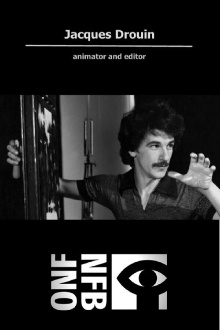
Jacques Drouin's artistic trajectory is closely tied to the Alexeïeff-Parker pinscreen. No other filmmaker has employed the device with such dedication since Alexeïeff himself, who created the design in 1931. Consisting of a perforated board with 240,000 adjustable pins, the pinscreen can be manipulated to create evocative moving images.
After her father’s sudden death, Feride takes on the role of the father in the family. Her mother, Nurcan, desperately tries to replace her lost husband with Feride, while her brother, İlker, starts to drift away from the family.
Surfer Dane Reynolds takes a sharp look into the timeless style of Craig Anderson. A modern approach with hints to the past, Slow Dance follows Craig in and out of the water as he travels the world meeting up with heroes and friends in Australia, Chile, India, West Africa and Tahiti to name a few.
When the White House (Secret Service Code: "Olympus") is captured by a terrorist mastermind and the President is kidnapped, disgraced former Presidential guard Mike Banning finds himself trapped within the building.
A man has only three and a half days and limited resources to discover why he was imprisoned in a nondescript room for 20 years without any explanation.
A true Canadian iconoclast, acclaimed transgender country/electro-pop artist Rae Spoon revisits the stretches of rural Alberta that once constituted “home” and confronts memories of growing up queer in an abusive, evangelical household.
Comments
Have you watched Making Movie History: Jacques Drouin yet? What did you think about it?