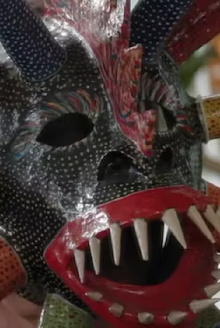
After prolonged incarceration and sensory deprivation, some prisoners experience visual hallucinations filled with extraordinary luminescence and color. These hallucinations are sometimes referred to as ‘prisoners’ cinema’. Elizam Escobar is a Puerto Rican artist and writer who served 19 years in US prisons for the crime of seditious conspiracy. Escobar never experienced these visual hallucinations, but his writing during these years evidences an extreme and sometimes painful attention to mental processes, and an expanded sensorial, emotional and intellectual internal life. Prisoner’s Cinema is the film that might have been imagined by Escobar during these years of imprisonment. The words in the film are taken from what Escobar has called his prison Anti-diary, a record of the thought processes that ran parallel to his painting, poetry and essays from 1988 to 1995.
Surfer Dane Reynolds takes a sharp look into the timeless style of Craig Anderson. A modern approach with hints to the past, Slow Dance follows Craig in and out of the water as he travels the world meeting up with heroes and friends in Australia, Chile, India, West Africa and Tahiti to name a few.
The film shows a strong bond between two brothers that live in a remote fjord with their parents. We look into their world through the eyes of the younger brother and follow him on a journey that marks a turning point in the lives of the brothers.
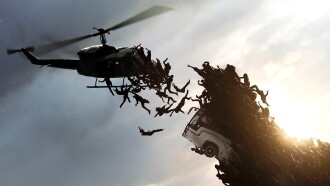
Life for former United Nations investigator Gerry Lane and his family seems content. Suddenly, the world is plagued by a mysterious infection turning whole human populations into rampaging mindless zombies.
After her father’s sudden death, Feride takes on the role of the father in the family. Her mother, Nurcan, desperately tries to replace her lost husband with Feride, while her brother, İlker, starts to drift away from the family.