Bruno Lüdke, who was mentally disabled, is said to have brutally murdered 53 people in Berlin and throughout Germany. In 1944, he died under unexplained circumstances at the Central Institute of Forensic Medicine of the Security Police in Vienna, where numerous experiments had been performed on him. In 1991, doubts arose as to whether Lüdke could have committed a single murder at all.
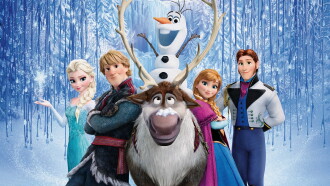
Young princess Anna of Arendelle dreams about finding true love at her sister Elsa’s coronation. Fate takes her on a dangerous journey in an attempt to end the eternal winter that has fallen over the kingdom.
Life for former United Nations investigator Gerry Lane and his family seems content. Suddenly, the world is plagued by a mysterious infection turning whole human populations into rampaging mindless zombies.
A true Canadian iconoclast, acclaimed transgender country/electro-pop artist Rae Spoon revisits the stretches of rural Alberta that once constituted “home” and confronts memories of growing up queer in an abusive, evangelical household.
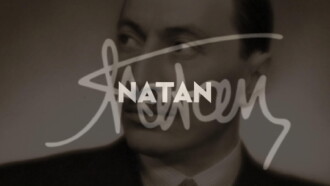
Natan tells the remarkable story of Bernard Natan, a Romanian immigrant who came to Paris in 1905 and was involved almost immediately with French cinema.
The evil wizard Gargamel creates a couple of mischievous Smurf-like creatures called the Naughties that he hopes will let him harness the all-powerful, magical Smurf-essence.
What does it take to say a word of love? How long and how much strength does it take for the heart to speak? How many streets at night? How fast? How many faces in how many bars? What tenderness? What pain? What music? What images in the mind? And where does it come from? Is it in the darkness of a closed park at night? In the back room of a Chinese bar? In the bottom of a beer? In a collective dance? In a sister's laughter? When does it finally happen? For the soul to let go.
Comments
Have you watched Tatort Berlin - Der Massenmörder Bruno Lüdke yet? What did you think about it?