Fukushima is a geographic location and symbolic point. It is not only a place of infamy since the nuclear catastrophe. This is also where the director returns to the point that separates before and after, the childhood and the adult, the past and the future. Fukushima is the city that his father left, and also the city that Saito returned to. The serenity of the agriculture farmers reminds him that there is nonetheless a continuation of life and activity. The Buddhist ritual which accompanied the director's father on his last voyages not the end, but the beginning of reincarnation.
When a lonely man finds out the love of his life has a conjoined twin, who happens to be a serial killer, he must take drastic measures to keep his love life intact while keeping himself out of big trouble.
What does it take to say a word of love? How long and how much strength does it take for the heart to speak? How many streets at night? How fast? How many faces in how many bars? What tenderness? What pain? What music? What images in the mind? And where does it come from? Is it in the darkness of a closed park at night? In the back room of a Chinese bar? In the bottom of a beer? In a collective dance? In a sister's laughter? When does it finally happen? For the soul to let go.
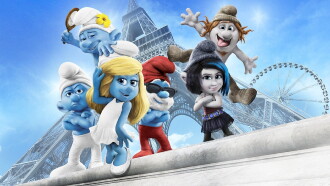
The evil wizard Gargamel creates a couple of mischievous Smurf-like creatures called the Naughties that he hopes will let him harness the all-powerful, magical Smurf-essence.
A true Canadian iconoclast, acclaimed transgender country/electro-pop artist Rae Spoon revisits the stretches of rural Alberta that once constituted “home” and confronts memories of growing up queer in an abusive, evangelical household.