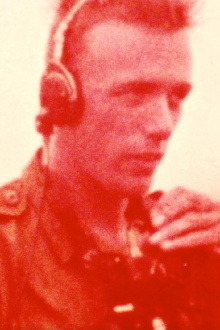
A Great Way of Life is a mash-up of images of the imperialist war machine and sounds of the consumer economy, juxtaposing the Viet Nam War during the late 1960s with American television commercials of the same era. Advertisements dominate the spectator with appeals to buy products that have military as well as domestic uses: spray the life out of garden pests with insecticide, make your clothes whiter with bleach, and think of cowboys and Indians while you do it. On the other side of the world, another form of domination holds sway. A Great Way of Life is a horror film as relevant today as it was in 1970. [Overview courtesy of William E. Jones]
Itso, about 35, drives a special ambulance called a 'corpse-van'. His job is to pick up the bodies of the recently deceased and transport them to the morgue.
Artists and the military might seem strange bedfellows, but painters, sculptors, photographers and set designers have played a critical but little-known role in modern warfare.
When 11-year-old Riley moves to a new city, her Emotions team up to help her through the transition. Joy, Fear, Anger, Disgust and Sadness work together, but when Joy and Sadness get lost, they must journey through unfamiliar places to get back home.
What is art and how does it relate to society? Is its value determined by its popularity or originality? Is the goal profit or expressing one's personal vision? These are some of the questions raised as we follow fiercely independent New York artist Robert Cenedella in his artistic journey through decades of struggling for creative expression.
"Holland Road, located off NY Route 5 in between the town of Angola and Evangola State Park, is more frequently known as "Pigman Road" and it has been at the forefront of Western New York folklore for decades.