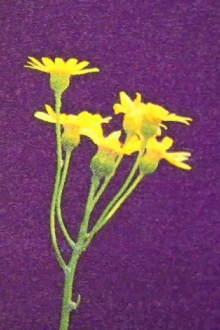
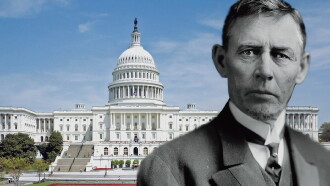
"To-day at last we know: John Brown was right." -W.E.B. Du Bois. This film is an experimental essay in three movements that explores the importance of being more than an "ally" in struggle, by sharing histories of committed accomplices John Brown, Marilyn Buck, and others. The film also delves into the history of the landscape and former prairie that was the earth on which Brown's militants trained. In the face of exploitation of people and destruction of land, radical struggle cultivates new life.
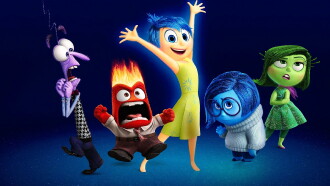
When 11-year-old Riley moves to a new city, her Emotions team up to help her through the transition. Joy, Fear, Anger, Disgust and Sadness work together, but when Joy and Sadness get lost, they must journey through unfamiliar places to get back home.
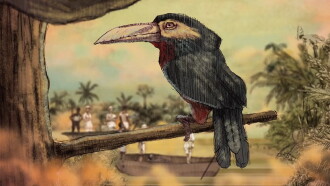
The octogenarian Angono Mba recalls the expedition in which he worked as porter for the Spanish filmmaker Manuel Hernández Sanjuán who, between 1944 and 1946, traveled through Spanish Guinea documenting life in the colony as he obsessively searched for a mysterious lake.
Itso, about 35, drives a special ambulance called a 'corpse-van'. His job is to pick up the bodies of the recently deceased and transport them to the morgue.
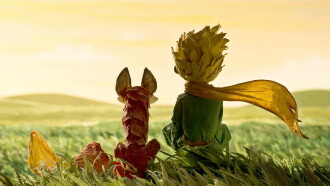
Based on the best-seller book 'The Little Prince', the movie tells the story of a little girl that lives with resignation in a world where efficiency and work are the only dogmas.
Comments
Have you watched From Ally To Accomplice yet? What did you think about it?