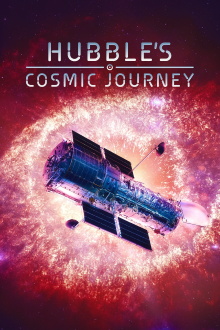
This is your window into the universe… Hubble was launched in April 1990 on board Space Shuttle Discovery. Its release into orbit over 500km above the Earth marked the birth of one of humanity’s biggest dreams; to place a telescope into space, high above the obscuring effects of the atmosphere, to gain the clearest view of the cosmos we could hope to see. But in the months which followed it was clear that the dream had turned into a nightmare, as Hubble’s mirror was found to have a flaw. Three years of heartache and huge human resolve followed, to mount a rescue mission to fix the flaw. The results were breath taking and produced the most complete view of the Universe we’ve ever had. This is the story of the men and women who conceived, built, fixed and operated Hubble – the most celebrated science instrument in history.
BERTHA LUTZ: WOMEN AND THE U.N. CHARTER reveals the important and unknown role of a Brazilian biologist and feminist in ensuring that gender issues were addressed at the basis of the United Nations.
Never before have we watched as much porn as today yet the traditional porn industry is dying. The arrival of web sites showing amateur clips has transformed the way porn is made and consumed.
Twelve men who belong to one of the world's most exclusive fraternities -- people who've walked on the surface of the moon -- are paid homage in this documentary.
A deep dive into one of the most enduring and high-stakes mysteries in technology and finance: the origins of Bitcoin and the identity of its anonymous creator, Satoshi Nakamoto.
Explores the $10 billion JWST's engineering and construction process, historic Dec. 25, 2021 launch, and the release of its first full-color, galaxy-sprinkled images on July 12, 2022 witnessed by the entire planet.
Journalist Jenny Eliscu and filmmaker Erin Lee Carr investigate Britney Spears' fight for freedom by way of exclusive interviews and confidential evidence.
Laika, a stray dog, was the first living being to be sent into space and thus to a certain death. A legend says that she returned to Earth as a ghost and still roams the streets of Moscow alongside her free-drifting descendants.
Popular movie trailers from 2015
These some of the most viewed trailers for movies released in 2015:
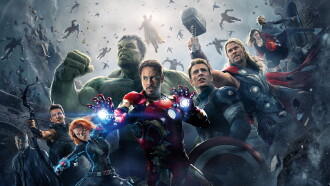
When Tony Stark tries to jumpstart a dormant peacekeeping program, things go awry and Earth’s Mightiest Heroes are put to the ultimate test as the fate of the planet hangs in the balance.
The story of a super-secret spy organization that recruits an unrefined but promising street kid into the agency's ultra-competitive training program just as a global threat emerges from a twisted tech genius.
The year is 2029. John Connor, leader of the resistance continues the war against the machines. At the Los Angeles offensive, John's fears of the unknown future begin to emerge when TECOM spies reveal a new plot by SkyNet that will attack him from both fronts; past and future, and will ultimately change warfare forever.
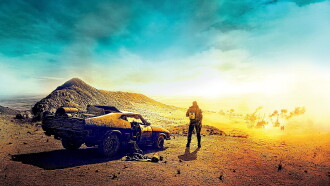
An apocalyptic story set in the furthest reaches of our planet, in a stark desert landscape where humanity is broken, and most everyone is crazed fighting for the necessities of life.
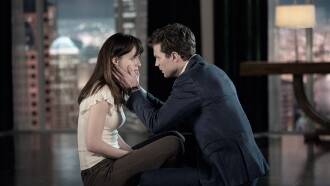
When college senior Anastasia Steele steps in for her sick roommate to interview prominent businessman Christian Grey for their campus paper, little does she realize the path her life will take.
What is art and how does it relate to society? Is its value determined by its popularity or originality? Is the goal profit or expressing one's personal vision? These are some of the questions raised as we follow fiercely independent New York artist Robert Cenedella in his artistic journey through decades of struggling for creative expression.
A documentary chronicling the events surrounding three Americans arrested and held as political hostages in Iran and their families’ campaign to free them.