Berlin in the 1920s is a vibrant metropolis. After the horrors of the First World War, people seek their fortune at parties, in glittering variety theaters and dance halls. So-called "ring clubs" dominate the world of crime. When Inspector Paul Lang finds his friend, public prosecutor Barnekow, dead in the crocodile pool of the Tiergarten, the mastermind seems clear, at least to him: the murder clearly bears the signature of Immanuel Tauss, the former head of the gangster ring "The Crocodiles". But Lang's biggest adversary, Tauss, is in prison. Together with his assistant Conrad Ruppert and his secretary, Lang sets about solving the case and encounters the unscrupulous up-and-comer Viktor Parkov and the fascinating vaudeville owner Irma Berger in Berlin's night world. Another corpse opens up a surprising twist, but Lang is already deeply entangled in his personal duel with Tauss - and himself.
A prequel set before the haunting of the Lambert family that reveals how gifted psychic Elise Rainier reluctantly agrees to use her ability to contact the dead in order to help a teenage girl who has been targeted by a dangerous supernatural entity.
The Democratic Republic of Congo has been called a geological scandal due to its mineral rich soil. Unfortunately, those minerals, necessary to sustain today's technology, are funding the deadliest war since WWII.
This documentary feature pulls back the curtain on the world of ‘working class’ rappers. The film spotlights independent artists struggling to find a balance between making a living and pursuing their art alongside the never-ending saga of age and relevance.
Ethan and team take on their most impossible mission yet—eradicating 'The Syndicate', an International and highly-skilled rogue organization committed to destroying the IMF.
When 11-year-old Riley moves to a new city, her Emotions team up to help her through the transition. Joy, Fear, Anger, Disgust and Sadness work together, but when Joy and Sadness get lost, they must journey through unfamiliar places to get back home.
When Tony Stark tries to jumpstart a dormant peacekeeping program, things go awry and Earth’s Mightiest Heroes are put to the ultimate test as the fate of the planet hangs in the balance.
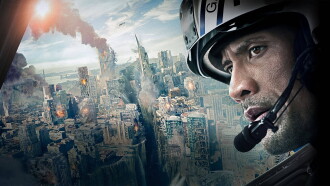
In the aftermath of a massive earthquake in California, a rescue-chopper pilot makes a dangerous journey across the state in order to rescue his estranged daughter.
A cryptic message from Bond’s past sends him on a trail to uncover a sinister organization. While M battles political forces to keep the secret service alive, Bond peels back the layers of deceit to reveal the terrible truth behind SPECTRE.
Comments
Have you watched Mordkommission Berlin 1 yet? What did you think about it?