A film essay about the form of cinema. Over the course of several months, Mariana Caló and Francisco Queimadela collected visual testimonies of various labour and ludic activities and other daily practices rooted in empirical knowledge. Establishing intuitive relations between concrete gestures and substances, sensorial experiences and analogical thinking, the authors have created a fragmentary film immersed on the idea of transformation of matter, generating a revolving movement that metamorphoses itself over time. Throughout a sequence of diverse quotidian activities, solutions and abilities the spectator is conducted over a series of connections in a game of interplay between forms of magic, pleasure, geometry, symbolism and labour.
This documentary feature pulls back the curtain on the world of ‘working class’ rappers. The film spotlights independent artists struggling to find a balance between making a living and pursuing their art alongside the never-ending saga of age and relevance.
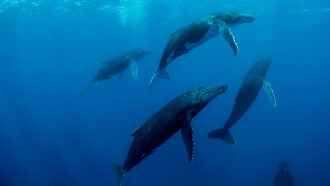
Humpback Whales takes audiences to Alaska, Hawaii and the Kingdom of Tonga for a close-up look at how these whales communicate, sing, feed, play and take care of their young.
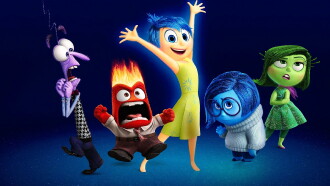
When 11-year-old Riley moves to a new city, her Emotions team up to help her through the transition. Joy, Fear, Anger, Disgust and Sadness work together, but when Joy and Sadness get lost, they must journey through unfamiliar places to get back home.
A documentary chronicling the events surrounding three Americans arrested and held as political hostages in Iran and their families’ campaign to free them.
As the war between the Capitol and the districts reaches its peak, Katniss Everdeen embarks on a perilous mission to liberate Panem and confront President Snow.