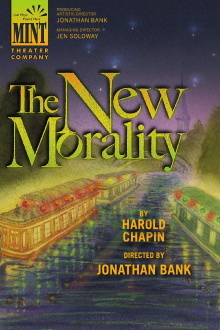
Set aboard a houseboat on a fashionable reach of the Thames in 1911, The New Morality tells the story of how the brazen Betty Jones restores dignity to her household and harmony to her marriage, by losing her temper and making a scene. A rising star, Harold Chapin had numerous one-acts and three full-length plays produced before he was killed on the battlefield in 1915 at the age of 29. “When Harold Chapin fell in France the modern British theatre lost a comic writer of high order,” declared the Sunday Times. “For intellectual foolery, his New Morality has no equal in present-day work.” The play was produced five years after his death to great acclaim, and then languished in obscurity for decades until our “lavishly crafted”1 revival introduced New York theatergoers to Chapin’s “unabashed comedy with bite.”2
As the war between the Capitol and the districts reaches its peak, Katniss Everdeen embarks on a perilous mission to liberate Panem and confront President Snow.
Evil pirate Burger Beard is in search of the final page of a magical book that makes any evil plan he writes in it come true, but the final page happens to be the Krabby Patty secret formula.
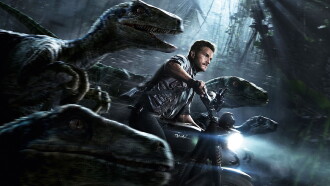
Twenty-two years after the events of Jurassic Park, Isla Nublar now features a fully functioning dinosaur theme park, Jurassic World, as originally envisioned by John Hammond.
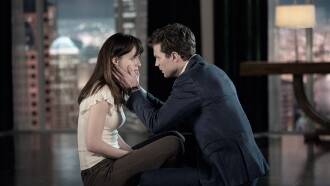
When college senior Anastasia Steele steps in for her sick roommate to interview prominent businessman Christian Grey for their campus paper, little does she realize the path her life will take.
70-year-old widower Ben Whittaker has discovered that retirement isn't all it's cracked up to be. Seizing an opportunity to get back in the game, he becomes a senior intern at an online fashion site, founded and run by Jules Ostin.
The year is 2029. John Connor, leader of the resistance continues the war against the machines. At the Los Angeles offensive, John's fears of the unknown future begin to emerge when TECOM spies reveal a new plot by SkyNet that will attack him from both fronts; past and future, and will ultimately change warfare forever.
Comments
Have you watched The New Morality yet? What did you think about it?