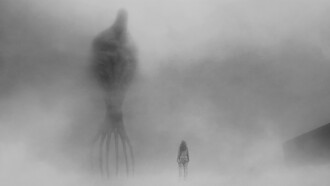
From Stalingrad to Jaurès was shot in the 90’s in Paris. At that time I was watching Godard films, walking, taking the Metro, looking at the Genie de la Bastille, filming a torso and eating baguette. I brought the different elements together and introduced a spinning 10 franc coin, a fall guy and a crime jazz music score. It is a return to black and white 16mm single screen film for me and also a return to the image of the male torso, that I first used in my film Claiming Territory in 1993.
In 1926, Newt Scamander arrives at the Magical Congress of the United States of America with a magically expanded briefcase, which houses a number of dangerous creatures and their habitats.
Eade is a fourteen year old girl who has spent her entire life on the spaceship Cradle. Eade and her dad are on the return journey to Earth when an explosion cripples the craft and seriously injures her father.
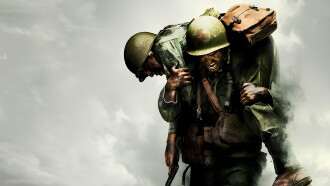
WWII American Army Medic Desmond T. Doss, who served during the Battle of Okinawa, refuses to kill people and becomes the first Conscientious Objector in American history to receive the Congressional Medal of Honor.
Carlos is an ex-con looking for a job where he earns a lot of money without having to work hard. After discussing it with his cellmate, they conclude that the only work to fit the description is to be politician in Puerto Rico.
Taking place after alien crafts land around the world, an expert linguist is recruited by the military to determine whether they come in peace or are a threat.
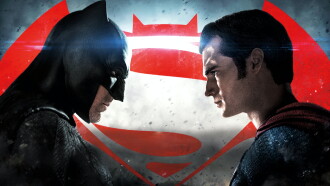
Fearing the actions of a god-like Super Hero left unchecked, Gotham City’s own formidable, forceful vigilante takes on Metropolis’s most revered, modern-day savior, while the world wrestles with what sort of hero it really needs.