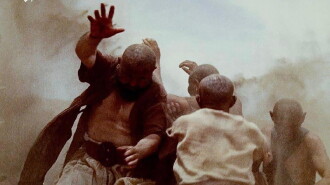
A director of a television series on the history of cinema, who has been grappling with the screenplay of his first feature film, receives an assignment to oversee the installation of a television relay station in a remote region of Zahedan province.
The film explores the role of photography, since its rudimentary beginnings in the 1840s, in shaping the identity, aspirations, and social emergence of African Americans from slavery to the present.
Today, the art world and beyond is obsessed with shooting analog. Whether it's a fashion house seeking to bring a new edge to their creative work, an amateur perusing eBay for the perfect vintage Polaroid, or an influencer attempting to capture a comforting retro aesthetic on social media, analog photography has piqued the interest of people everywhere.
A film about the fearless photographers and photojournalists who documented strikes, demonstrations, protests etc during the Chilean military regime of Augusto Pinochet, sometimes risking their very lives.
Single mom Abbey takes a leap of faith to pursue her passion for interior design. When she gets hired to decorate the estate of local businessman Nick, Abbey must complete the job by Christmas Eve.
On All Saints’ Day, the Spanish pay tribute to their dead: a day of reverence and remembrance. Nevertheless, beneath the serene surface lie unhealed grief, thundering silence and ever-burning political conflicts.
During the 1980s, a failed stand-up comedian is driven insane and turns to a life of crime and chaos in Gotham City while becoming an infamous psychopathic crime figure.
“Sketch XXX (work in progress)” in addition to its “poetic” and “political” content also brings the spectator to his capacity for revolt as an individual before being carried away by an obedient and non-thinking collective membership … The gradual erasure of our antagonistic individual-collective concepts will perhaps help us as individual-collective to imagine that perhaps all the elements of the living being connected this invalidates all “individualist” attempts.
A drug squad attempts to take down a criminal organization and they must go undercover to do so, so they begin working at a chicken restaurant, that becomes famous for its delicious chicken.
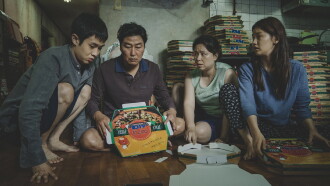
All unemployed, Ki-taek's family takes peculiar interest in the wealthy and glamorous Parks for their livelihood until they get entangled in an unexpected incident.
Comments
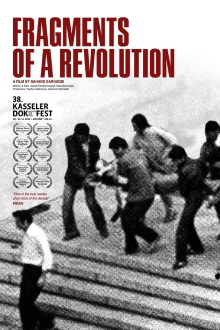
Have you watched Fragments of a Revolution (Sahneye Tarikh) yet? What did you think about it?