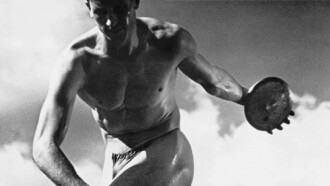
Starting with a long and lyrical overture, evoking the origins of the Olympic Games in ancient Greece, Riefenstahl covers twenty-one athletic events in the first half of this two-part love letter to the human body and spirit, culminating with the marathon, where Jesse Owens became the first track and field athlete to win four gold medals in a single Olympics.
Part two of Leni Riefenstahl's monumental examination of the 1938 Olympic Games, the cameras leave the main stadium and venture into the many halls and fields deployed for such sports as fencing, polo, cycling, and the modern pentathlon, which was won by American Glenn Morris.
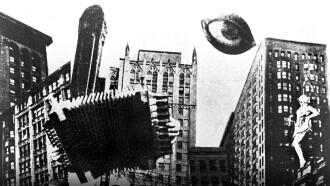
Carefully picked scenes of nature and civilization are viewed at high speed using time-lapse cinematography in an effort to demonstrate the history of various regions.
A day in the city of Berlin, which experienced an industrial boom in the 1920s, and still provides an insight into the living and working conditions at that time.
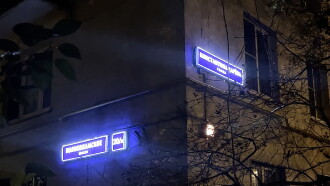
The animated corpse of Moscow goes on after its inhabitants left. Filled with weeps and whispers of the mourning ghosts, torn apart with phone calls from distant countries and unfamiliar sounds, emotionally devastated and deserted, the city attempts to reconcile with its own voice.
Set more than a decade after the events of the first film, learn the story of the Sully family (Jake, Neytiri, and their kids), the trouble that follows them, the lengths they go to keep each other safe, the battles they fight to stay alive, and the tragedies they endure.
A mysterious protagonist is on a quest worth spending 150 years playing chess to unlock, and Sarajevo, now called Neosarayevo, is under the control of a sinister Cyberdyne-esque corporation - Sodyn.
Alberto, a collective taxi driver, observes through the lives that pass through his car, the beauty hidden in the decadence of the oil city where he works.
Mauve is the color palette Monet used to represent his wife Camille Doncieux on her deathbed. It's also the color palette of suffering and complex trauma; of visible and invisible bruises, from the female gaze.
A young woman guides a man through a mysterious forest. In his eyes, everything seems normal, until he comes across two women waiting for him in a macabre ritual.
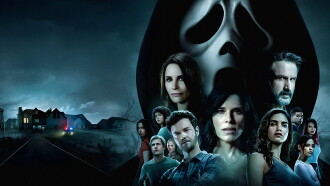
Twenty-five years after a streak of brutal murders shocked the quiet town of Woodsboro, a new killer has donned the Ghostface mask and begins targeting a group of teenagers to resurrect secrets from the town’s deadly past.
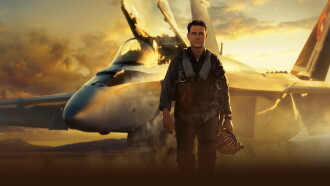
After more than thirty years of service as one of the Navy’s top aviators, and dodging the advancement in rank that would ground him, Pete “Maverick” Mitchell finds himself training a detachment of TOP GUN graduates for a specialized mission the likes of which no living pilot has ever seen.
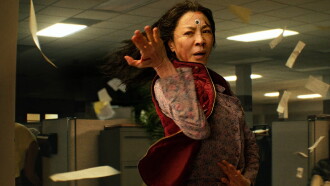
An aging Chinese immigrant is swept up in an insane adventure, where she alone can save what's important to her by connecting with the lives she could have led in other universes.
A painter in the throes of a creative block finds inspiration thanks to a fascinating and mysterious gallery owner, but he can't expect the shocking consequences of their encounter.
Comments
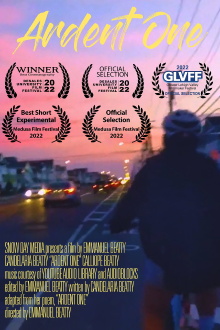
Have you watched Ardent One yet? What did you think about it?