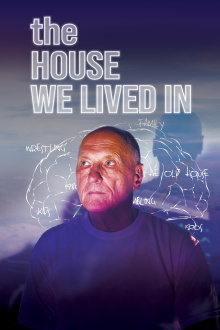
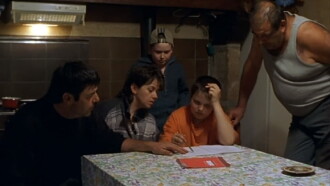
Nearly a decade in the making, The House We Lived In is a strikingly candid portrait of a family transformed by a father’s brain injury. In 2011, 61-year-old Tod O’Donnell awoke from a coma with a case of total amnesia that doctors assured his wife and children was temporary. But when it proved permanent, and for no discernible reason, the O’Donnell’s were left to themselves to untangle the mystery — a struggle for answers that would only raise more questions as they came to realize, painfully, that the real mystery was Tod himself.
Watch the official The House We Lived In 2022 trailer in HD below.
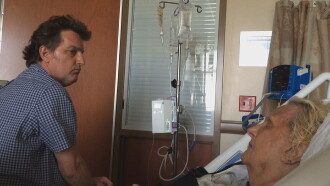
After a routine partial hip replacement operation leaves his mother in a coma with permanent brain damage, what starts as a son's video diary becomes a citizen's investigation into the future of American health care.
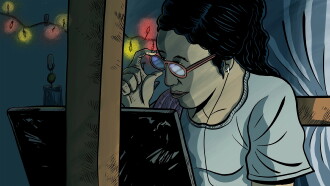
Through first person narration, Tari reveals personal stories related to her decision to work in Taiwan, her strained family relationships, the risks involved in working abroad and the traps she has fallen into.
In this short film, artist Jobie Weetaluktuk turns his gaze on his family and the power of ritual through the story of a young woman and her unplanned child.
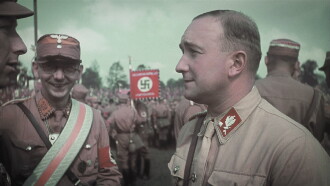
What would your family reminiscences about dad sound like if he had been an early supporter of Hitler’s, a leader of the notorious SA and the Third Reich’s minister in charge of Slovakia, including its Final Solution? Executed as a war criminal in 1947, Hanns Ludin left behind a grieving widow and six young children, the youngest of whom became a filmmaker.
In Uganda, AIDS-infected mothers have begun writing what they call Memory Books for their children. Aware of the illness, it is a way for the family to come to terms with the inevitable death that it faces.
Pauline Horovitz has been filming her father since 2009. In this new chapter with hints of a bittersweet documentary comedy, the hero, a former doctor “programmed” to work, takes advantage of his retirement to become an actor.
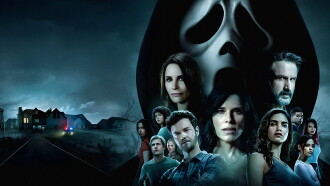
Twenty-five years after a streak of brutal murders shocked the quiet town of Woodsboro, a new killer has donned the Ghostface mask and begins targeting a group of teenagers to resurrect secrets from the town’s deadly past.
For best friends Becky and Hunter, life is all about conquering fears and pushing limits. But after they climb 2,000 feet to the top of a remote, abandoned radio tower, they find themselves stranded with no way down.
A painter in the throes of a creative block finds inspiration thanks to a fascinating and mysterious gallery owner, but he can't expect the shocking consequences of their encounter.
Set more than a decade after the events of the first film, learn the story of the Sully family (Jake, Neytiri, and their kids), the trouble that follows them, the lengths they go to keep each other safe, the battles they fight to stay alive, and the tragedies they endure.
Mauve is the color palette Monet used to represent his wife Camille Doncieux on her deathbed. It's also the color palette of suffering and complex trauma; of visible and invisible bruises, from the female gaze.