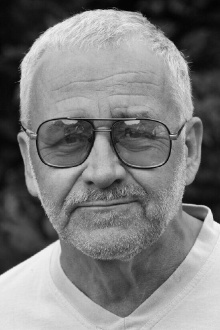
Armīns Lejiņš Trailers
R-ī-g-a (Rīgas pārvalde astoņos gadsimtos) TrailerFour White Shirts Trailer

Total trailers found: 11

01 January 1961
The Beginning is the first installment in Brauns’ trilogy dedicated to large-scale construction development in Latvia.
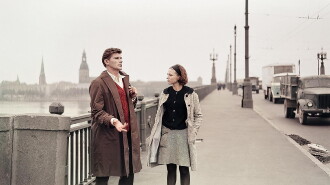
04 January 1967
Cezars Kalnins installs telephones by day and composes pop songs by night. His band has a hard time receiving the permit from Soviet censorship authorities for a public debut.
01 January 1962
"The Construction is the second part of Uldis Brauns’ trilogy. It focuses on the construction of Daugavpils' synthetic fibre factory, and includes well-balanced, wide-angle shots and dramatic camera angles.
01 January 1963
"The Worker is the last part of the trilogy, and differs somewhat from the rest. Rather then telling of yet another building site, the film centers on the abstract image of the Worker.
01 January 1963
"A humorous story about the arrival of summer offers insight into the everyday lives of a town's inhabitants.
27 January 2001
A journey through time and space, accompanied by a 17th century guide, presenting a colorful array of unique material – the symbols of Riga, historical buildings, city administration issues – creating a detailed overview of Riga's history through the centuries.
10 August 1970
One of the first socially relevant poetic films in Latvian cinema history, documenting the lives of female workers at a fiberglass factory – their work, leisure, dreams, hopes, and also the problems caused by the "influx" of young women into the small town after the factory was built.
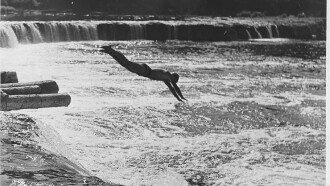
01 February 1966
A Latvian poetic documentary about the town Kuldīga.
01 January 1969
The film was made for the World Expo '70 in Osaka (Japan), introducing viewers to Latvian folk dances.

