Besim Sahatçiu Trailers
The Swelling River TrailerThree People Overpass the Mountain TrailerThe Oak and the Tree Trailer
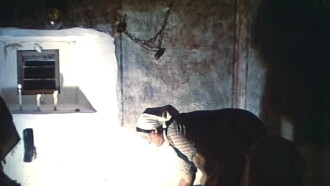
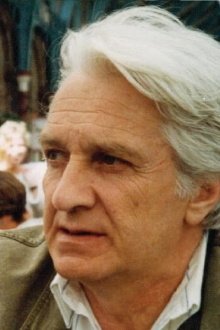
Besim Sahatçiu was a Kosovo-Albanian director of theatre and film. After finishing gymnasium in Pejë, Sahatçiu studied literature at the University of Belgrade. Following the interruption of his studies due to compulsory military service, he worked as a translator for the publisher, Rilindja. He later studied at the Academy of Dramatic Art in Zagreb, Croatia, and defended his thesis with staging Gogol's satirical play, The Government Inspector, at People's Provincial Theatre in Pristina. Sahatçiu's ethnographic film, 117, won the Grand Prix at the Belgrade Documentary and Short Film Festival in 1978. The film was described as a “spiritual portrait of the nation.” As a theatre director, Sahatçiu worked at the National Theatre of Kosovo in Pristina. In 2018, Kosovo's Ministry of Culture posthumously honored Sahatçiu with a Lifetime Achievement Award for Cinematography. The same year, a street in Pristina was named after him. In 2021, Posta e Kosovës issued postage stamps in its 'Arti skenik – Besim Sahatçiu dhe Leze Qena' series, commemorating Sahatçiu and Leze Qena.