Chantal Perrin Trailers
Both Sides of the Street TrailerBlood of the Flamboyant Tree TrailerThe Desert of the Tartars Trailer


Both Sides of the Street TrailerBlood of the Flamboyant Tree TrailerThe Desert of the Tartars Trailer

Total trailers found: 12

10 January 1979
A couple takes on a homeless teenager. The trio forms a family-like community that seems to work extremely informally and without many regulations.
20 January 2014
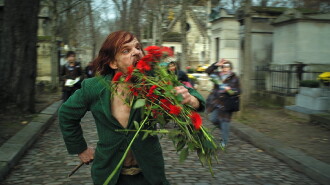
The image of a mysterious, solitary filmmaker - a cineaste maudit - who flees from both the media and the public, is unrelentingly bound to the figure of Leos Carax, in France.

29 October 1976
Lieutenant Giovanni Drogo is assigned to the old Bastiani border fortress where he expects an imminent attack by nomadic fearsome Tartars.

13 August 1997
In 18th-century Sicily, deaf-mute highborn Marianna Ucrìa is forced to marry at age 13, bearing three children before even turning 16, when she finally gives birth to a boy.

01 January 1987
The story of a woman whose past comes back to haunt her after a former lover re-enters her life.
10 May 2023
In the work of Jack Garfein - Holocaust survivor, theater and film director, key figure in the formation of the Actors Studio - past and and present freely intermingled to contribute to memorable stage productions and in two films, many which were ahead of their time in tackling such issues as homosexuality, race and violence.
30 March 2022
On Mongolia’s coal highway to the Chinese border, truck driver Maikhuu dreams of a better life and financial security for her three children.
29 August 1990
In Paris, unhappy movie actress Catherine Crachat becomes infatuated with the mathematician Pierre Indemini, but then breaks up with him.
30 January 1991
Marie has always been somewhat independent and is considered by some to be a bit of a tomboy. Though she is not quite a teenager, her photographer father has no qualms about leaving her alone for a while when he has to go off on an assignment.
24 August 2010
This portrait of a film director unlike any other attempts to capture the essence of Vittorio de Seta’s rapport with the humble people he filmed and elegantly brought to Cinema Scope’s big screen in color from the 1950s onwards.
