Dorjpalam Tserenjav Trailers
The Clear Tamir: Episode 3 TrailerThe Clear Tamir: Episode 2 TrailerThe Clear Tamir: Episode 1 Trailer


The Clear Tamir: Episode 3 TrailerThe Clear Tamir: Episode 2 TrailerThe Clear Tamir: Episode 1 Trailer

Total trailers found: 8
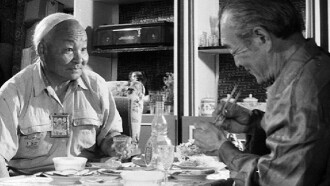
14 January 1994
"I wish I could have a horse" shows how the lives of the main characters have changed after 30 years in a humorous tone.
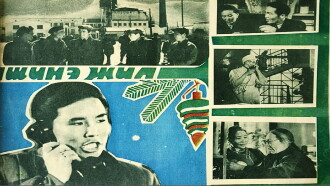
01 January 1954
When the young man foreman fulfilled his plan ahead of time and told his mother that he had celebrated the New Year in advance with his friends, the young man's mother mistakenly thought that he and the lady from the neighboring family were going to get married.

01 January 1997
It shows how the Chinese nationalistic landowners made evil plots with the intention of inheriting Manchu's imperial rights to Mongolia, and how the people of Darganga entered the path of freedom and happiness as a result of the victory of the people's revolution.
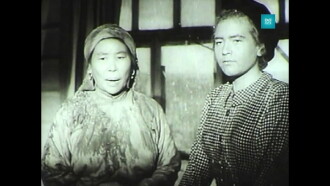
01 January 1957
In 1928, when scientific hospitals were introduced to Mongolia, the Russian female doctors who came to rural areas and the famous local maarambas overcame old customs, opinions, and religious influences, and showed how people's views were changed and a new morality was formed in their minds.
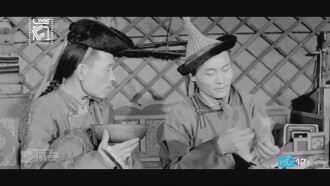
06 October 1970
The image of the Mongolian countryside, the struggle for freedom, and the changes in the minds of the people of the new social relations are reflected in the form of an epic.
26 January 1973
The image of the Mongolian countryside, the struggle for freedom, and the changes in the minds of the people of the new social relations are reflected in the form of an epic.
20 January 1971
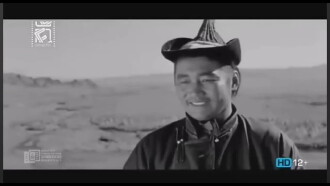
The image of the Mongolian countryside, the struggle for freedom, and the changes in the minds of the people of the new social relations are reflected in the form of an epic.
01 January 1955
During the important work of preparing hay and fertilizer, the herdsman Sanda, who was pursuing personal entertainment by drinking fermented milk and alcohol, all his animals starved to death due to lack of fodder in the harsh winter.
