
Erzsi Pápai Trailers
Cloud Above the River Ganges TrailerMoscow Square TrailerHungarians Trailer

Total trailers found: 12

19 January 1961
Miskei, the popular and dynamic president of a co-op falls in love with Mari, the attractive wife of the elderly Pató.

20 September 2001
1989 is an important year in the political history of Hungary. However, Petya and his friends couldn't care less.

01 December 1952
Vörös Hajnal (Red Dawn), a co-operative is the venue of skylarking, while the storm destroys the wheat which is to be harvested soon.
19 February 1957
Dani, the few-month-old little boy born outside marriage is left by Eszter in the lap of her companion on the train.

28 September 1961
Merry soldiers arrive in the sleepy Transdanubian town. The cynical woman-hunter, Ferdinándy, learns to know doctor Barlay's beautiful wife at a carnival.

21 October 1971
The head of the nunnery is dying, and the members are divided in two groups as the election of the new head approaches.
22 June 1978
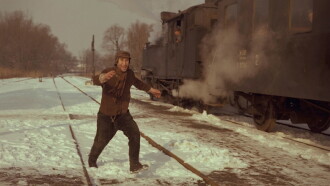
A group of landless Hungarian peasants accept work as migrant-labourers on a northern German farm where the wages are good, and the wives and family are allowed to accompany them.
15 November 1953
The story of a young servant girl who comes to work on the construction site of a large-scale industrial settlement.

23 February 1952
This propaganda film from the early years of socialist transformation in Hungary depicts kulak sabotage in production cooperatives.
26 September 2002
András and Juli meet at a desperate moment in their lives, when they have both made a difficult decision, the consequences of which they cannot bear alone.
01 January 1970
Ferenc Molnár's cartoons, published in various newspapers in the 1920s and 1930s, were not originally intended for performance.

