Františka Horáková Trailers
The Liberation of Prague TrailerDvacátý devátý TrailerThe Gambler Trailer


The Liberation of Prague TrailerDvacátý devátý TrailerThe Gambler Trailer

Total trailers found: 12

28 October 1938
Kind and decent professor Artur Čejka is about to marry his fiancée Helena Frýdlová. On the eve of the wedding, he comes across the unfortunate actress Káťa Holanová on the riverbank, who has been unsuccessfully looking for an engagement for a long time and wants to take her own life out of desperation.

06 May 1977
On 20th of April 1945 the Soviet army launches its attack on Berlin. The end has come for Nazi Germany and Hitler decides to commit suicide.
21 November 1941
Two good friends return from long-term military service: Jan Cimbura from Semic and Josef Piksa from Putim.
17 November 1972
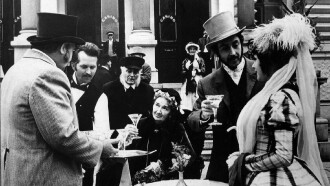
This lavish Soviet/Czech co-production is based on Fyodor Dostoyevsky's famous novel, The Gambler, which tells the story of a Russian living in Germany, in a gambling resort.
31 October 1941
Rudolf Bartoš, the owner of a farm, quarry and factory, is extremely rich, however, he is unapproachable and irritable, and the dread of his employees.
03 December 1948
At the end of the war, the old train driver Matys saves his beloved locomotive Líza from depth charges.
16 September 1938
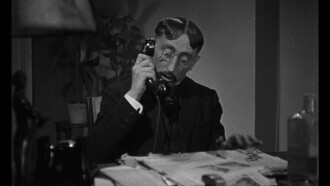
Jindřich Tůma, a partner in the gas mask shop "Asana", has a very energetic wife who promotes a vegetarian diet.
04 March 1938
The richest farmer and at the same time mayor Dubský and first councilman Bušek are constantly competing for supremacy.
11 February 1949
Grammar school teacher Bláha hurts himself in pursuit of a red lizard, and is lying unconscious in the lonely house of Santrucek family.
31 January 1947
The biographical film about the prematurely deceased violin virtuoso Josef Slavík takes place entirely like a haunting dream, in the mind of a feverish artist who remembers how he amazed Paganini himself with his playing.
25 April 1975
In the era of normalisation, a number of (pseudo)historical films were made, even described as reconstructions, which glorified the world-building mission of the Communist Party and attributed to it exclusively humanitarian intentions ("Days of Betrayal", "Sokolovo", "Liberation of Prague", "The Victorious People").
