
Gejza Slameň Trailers
Nový systém TrailerPodkovičky za korunu TrailerSrdce na lane Trailer

Total trailers found: 20

01 November 1957
This dramatic story is situated in the town of Trnava of the 18th century. Painter Peter paints an altar-piece of the Martyrdom of St.
17 December 1958
A comedy about a lost inheritance, love and a red umbrella, which, according to a local legend, belonged to St.
12 February 1954
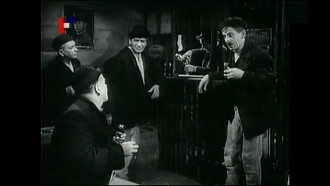
The film adaptation of the novel of the same name by Peter Jilemnický is a drama about the life of poor Kysuce miners, which takes place in the thirties during the economic crisis.
18 February 1955
Slovak movie is based on the novel by the prominent representative of Slovak prose František Hečka, who was in 1952 awarded the State Prize.

25 April 1958
Historical satire from the first half of the 19th century, which captures the decay and decline of the landed estate.
18 May 1951
The story of the great strike of the workers building the Cervena Skala - Mergecany railway line
17 October 1952
The life on the poor Slovak hills, the lazy hills, where agriculture is at a primitive stage and where the shelves give a small harvest.
14 February 1958
Drama about the rebellion of the Trencín Infantry Regiment against its superior officers in the Serbian city of Kragujevac, at the end of the First World War.

