János Bródy Trailers
István, a király - Királydombon TrailerZorán - Aréna 2014 Egypár barát TrailerBródy 60 Trailer


István, a király - Királydombon TrailerZorán - Aréna 2014 Egypár barát TrailerBródy 60 Trailer

Total trailers found: 16

05 June 1976
This satire on film depicts the micro-climate of a technical vocational school newly established at a housing estate.
29 April 1986
Contemporary genre-painting of a Hungarian "middle class" family of four. The scene is the villa apartment almost finished, where the tourist guide mother, father who also works for the second economy and the lonely big girl preparing for her maturity examination turn up alternatively.
02 March 1989
The actress is always lonely, she has nobody to love. She adopts a young boy from the orphanage, who formerly arrived on Earth by a flying suitcase and a policeman took him to the orphanage.
25 January 1979
A family slowly disintegrates under various pressures in late 1970s communist Hungary.

16 May 1968
On receiving a letter from her mother, a quiet working-class girl leaves the state orphanage in Budapest where she grew up and takes a trip to the rural countryside to visit her.
31 December 1998
Legends circulate in the public consciousness about Kex, which existed from late 1968 to the autumn of 1971.
19 April 1984
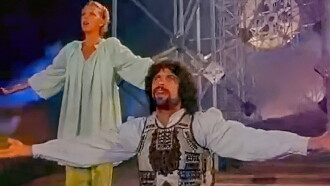
István, a király ("Stephen, the King") is a Hungarian rock opera written by Levente Szörényi (music) and János Bródy (lyrics), based on the life of Saint Stephen of Hungary.
26 June 1969
A tableau of the most famous Hungarian beat bands whose fans speak about what music means to them, while some aging people explain why they think this savage type of music should be banned, censored, or at least played without drums.
28 February 1967
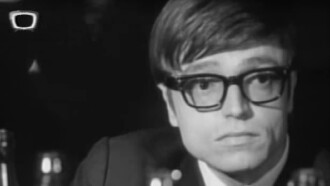
Laci is facing maturation and he wants to work, but his intellectual parents want him to be at the university.
01 September 1988
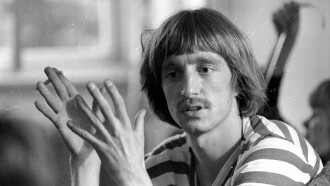
The documentary-television director duo Jolán Árvai and László Sántha, while making an entertaining documentary-report montage about the rock life of the period between 1957 and 1973, were mainly curious about how and why the movement's sad metamorphosis began.