Kornélia Sallay Trailers
Just Like at Home TrailerSilence and Cry TrailerTen Thousand Days Trailer

Total trailers found: 12

24 March 1966
Story of a young teacher starting to work in rural Hungary
05 June 1956
Nagy István, the formerly poor peasant boy returns to his native village as a teacher. His conviction is that the abyss between rich and poor can be diminished by good will.
19 February 1957
Dani, the few-month-old little boy born outside marriage is left by Eszter in the lap of her companion on the train.

12 June 1968
Set during a turbulent era of disquiet, fear, persecution and terror, which permeates every corner of post-WWI Hungarian society.
12 August 1955
Marci is drafted from a typical block building in the 6th district in Pest. He says good-bye to Juli living in the same house, with whom they are both very much fond of each other, but neither of them makes a confession.
08 June 1967
The changing and turbulent history of Hungary is seen through the eyes of three men over a 30-year period in this somber drama.
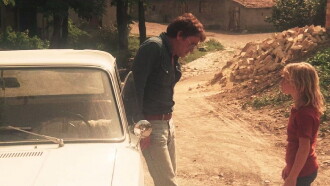
26 October 1978
On his return from America, András simply cannot find his place: he has lost his wife, friends and job, and he cannot even find his way back to his former great love.
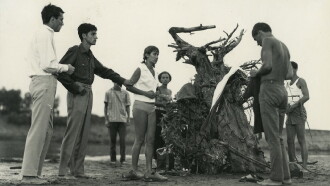
12 April 1964
A group of students cope with the disappearance of their friend.

02 April 1955
At Christmas Eve in 1944 the runaway Pintér and Gozsó get through the Soviet blockade around Budapest.

02 December 1949
A female worker in Socialist Hungary gains the acceptance of her male colleagues.
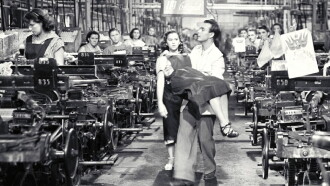
12 August 1950
Kis Katalin and Varga Jóska are getting married. During their honeymoon they are preparing plans for the future.
02 August 1956
The movie is based on a novel by I. Astalos. It tells about the hard life of poor people in bourgeois Hungary.

