
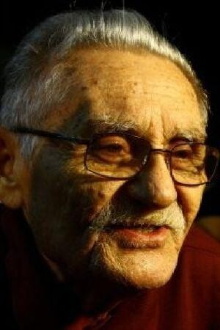
Linduarte Noronha Trailers
A Linguagem do Cinema TrailerCinema Paraibano - Vinte Anos Trailer
Linduarte Noronha ( Ferreiros , 1930 – João Pessoa , January 30 , 2012 ) was a journalist , filmmaker and film professor from Pernambuco who lived in Paraíba. Born in Pernambuco in 1930, he moved with his family in 1933 to João Pessoa , the capital of Paraíba , where he would spend the rest of his life. Graduated in Law from the Federal University of Paraíba in 1958, he developed professional activity as a film critic and journalist , a career in which he received several awards for reports in important magazines in Brazil and abroad. During the 1950s , Linduarte Noronha was actively involved in the local film club scene , which also included names such as Wills Leal , João Ramiro Melo , Vladimir Carvalho and José Rafael de Menezes . A friend of Alberto Cavalcanti and a great admirer of Humberto Mauro , he was very interested in the aesthetics of "natural film" and the recording of reality - according to Linduarte, "true Brazilian cinema will only be able to achieve universality one day when it returns to the anthropological element" , ideas that would become the tone of his work, whether in films, reviews, essays or reports.


