
Luboš Sluka Trailers
Dva kluci v palbě TrailerDivoký koník Ryn TrailerBehind the Sloe-Bush Trailer

Total trailers found: 22

01 April 1985
In the spring of 1945, the last war clashes took place on the Czech-Moravian border. However, amidst the heavy gunfire, colourful boyhood adventures also take place.

28 September 1979
The castle custodian Král is moving to a new place of work with his wife, son Radek and a five - years old daughter Terezka.
26 March 1982
Several of the works of writer Bohumil Říha have been filmed. This novel by the pro-regime writer also inspired a children’s film, which was directed in 1981 by the experienced family filmmaker Václav Gajer.

09 November 1979
Second part of the trilogy. Vasek is expected to go to Bulgaria for a holiday with his parents during the summer vacation, but the boy finds the prospect of spending the summer with his gamekeeper grandfather far more tempting than the seaside.

02 October 1981
Third part of the trilogy. Vaska again is visiting his grandfather living in Bohemian Forest and understands the importance of guarding nature.

08 December 1978
The gamekeeper Straka lives by himself in the Bohemian forest hill. He has quarreled with his only son.

03 October 1979
Operation Rys is a code name for survival training behind enemy lines. For three young soldiers, Aleš, Ota, and František, this means surviving ten days in the forest, avoiding capture or being lured into a trap, and reporting daily on the observed object, all with only two days' worth of food rations.

16 February 1975
The historical television play was written based on Vančura's Pictures from the History of the Czech Nation and takes place against the backdrop of the European situation at the beginning of the thirteenth century.
29 November 1972
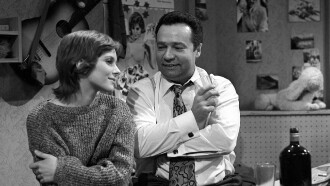
In her ward, a young nurse, Jenka, becomes close to the hospitalized wife of the director of the local steel company, Pšeničky, who is admired by the local women.
01 January 1956
This short exhortative feature film presents various forms of tourism, which was one of the post-war means of spending one’s time that was preferred by the regime.


