Ousmane Sembène Trailers
Lamb TrailerMarseille après la guerre TrailerLe docker noir, Sembene Ousmane Trailer
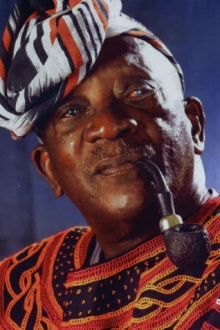
Ousmane Sembène (January 1, 1923 — June 9, 2007), often credited in the French style as Sembène Ousmane in articles and reference works, was a Senegalese film director, producer and writer. The Los Angeles Times considered him one of the greatest authors of Africa and he has often been called the "Father of African film."
Most Popular Ousmane Sembène Trailers
Total trailers found: 20
11 February 2001
A forty-year-old woman refuses to give into the stigma of unwed motherhood and climbs the ladder of success in a male dominated field.
27 November 1968
A money order from a relative in Paris throws the life of a Senegalese family man out of order. He deals with corruption, greed, problematic family members, the locals and the changing from his traditional way of living to a more modern one.
17 March 1966
Eager to find a better life abroad, a Senegalese woman becomes a mere governess to a family in southern France, suffering from discrimination and marginalization.
01 October 1975
A rich businessman in Senegal is cursed with crippling erectile dysfunction upon the day of his marriage to his third wife; the only cure is brutal public humiliation.
30 November 2014
Tahar Cheriaa: Under the Shadow of the Baobab documents the career of one of the core fathers of Pan-Africanism and founder of Africa’s first film festival, the Carthage Film Festival.
09 February 1973
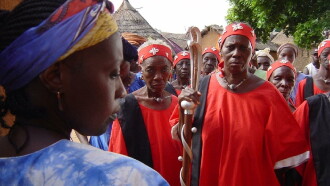
As World War II rages in Europe, a conflict arises between the French and the Diola-speaking tribe of Africa, prompting the village women to organize their men to sit beneath a tree to pray.
02 January 1970
A young unemployed man fends off accusations of laziness and makes a home for his pregnant girlfriend who has been rejected by her family.
19 September 2026
The traditional struggle, known as Lamb in Wolof, which recalls the Greco-Roman struggle, is a popular national sport in Senegal.
16 February 1978
The Ceddo people try to preserve their traditional African culture against the onslaught of Islam, Christianity, and the slave trade.
06 September 1988
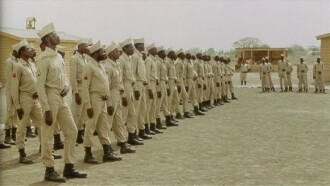
A Senegalese platoon of soldiers from the French Free Army return from combat and are temporarily held in a military encampment with barbed wire fences and guard towers in the desert.
04 August 2004
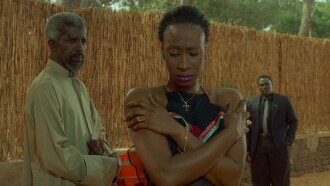
When a woman shelters a group of girls from suffering female genital mutilation, she starts a conflict that tears her village apart.
30 June 1963
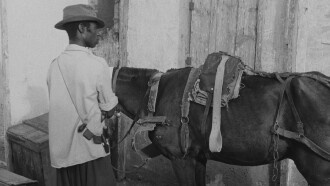
A cart-taxi driver goes to the city to make a living, but out of sympathy with other poverty-stricken people, he works for free and goes hungry himself.
28 July 1993
As funeral preparations begin for Pierre Henri 'Guelwaar' Thioune, rumour spreads that his death may have been an assassination in retaliation for his radical political beliefs and constant criticism of the current regime.
23 January 2015
Meet Ousmane Sembene, the African freedom fighter who used stories as his weapon.
01 January 1994
Senegalese documentary about the country's most famous film-maker - Ousmane Sembène. The groundbreaking director explains his philosophy, politics and hopes for the future of African cinema.
02 January 1964
Adapted from "Vehi-Ciosane ou Blanche-Genèse," this short drama portrays a Senegalese village thrown into crisis by the pregnancy of a young girl, revealing deeper patterns of moral and social breakdown.
08 June 2023
The film uses a collection of post-World War II black & white photographs to portray the dockworkers of Marseilles, many of whom were of African descent.
01 January 1981
Paulin Vieyra captures Ousmane Sembène, one of the greatest filmmakers of Africa, during the filming of Ceddo.
19 May 2013
Meeting of two greats, Cissé's tribute to the dean of African cinema is without discours, without pathos.