Pureviin Tsevelsuren Trailers
Golden Falcon TrailerApplication to Go to the Front TrailerThe Meeting Trailer

Golden Falcon TrailerApplication to Go to the Front TrailerThe Meeting Trailer

Total trailers found: 8
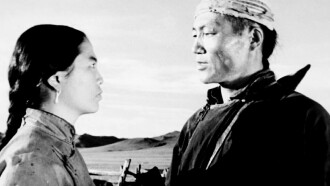
01 January 1959
Darbazar, who was carrying a secret letter to General Sukhbaatar about how ordinary herdsmen participated in the People's Revolution of 1921, fell into the hands of the enemy, and before being killed, he left his wife to continue the work he intended to do.

30 August 1959
Documentary essay about the First Moscow International Film Festival, held in August 1959, about its participants and guests - Soviet and foreign actors, directors who came to the film forum.
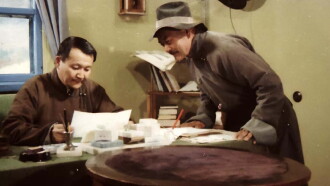
16 January 1985
In showing the friendship of the people of Mongolia and Russia, it was strengthened even more during the difficult times of the homeland war, and it is told that the ordinary Mongolian herdsman made a proposal to go to the front to fight in person, and by giving gifts to the front, he made his goal.
08 January 1974
While Badamkhand was studying in the city, his mother fell ill and was being treated, and because they did not have a place of their own, a local swan and a driver stayed in Tsendi.
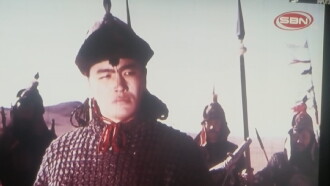
01 January 1989
It tells about how the Niruns, led by Budan Sage, rose up against the Moochoi, a foreign tribe, who attacked to seize the virgin idol of the Nirun province, the main tribe of Mongolia, and restored the dignity of their tribe.
06 October 1970
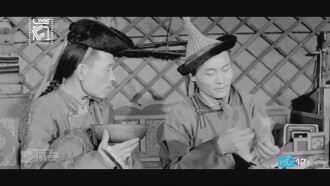
The image of the Mongolian countryside, the struggle for freedom, and the changes in the minds of the people of the new social relations are reflected in the form of an epic.
26 January 1973
The image of the Mongolian countryside, the struggle for freedom, and the changes in the minds of the people of the new social relations are reflected in the form of an epic.
20 January 1971
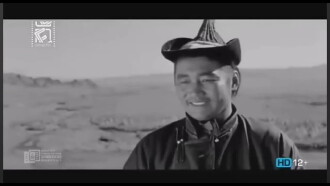
The image of the Mongolian countryside, the struggle for freedom, and the changes in the minds of the people of the new social relations are reflected in the form of an epic.
