Rafael Marziano Tinoco Trailers
Qué Hago Yo Aquí TrailerLove in Concrete Trailer
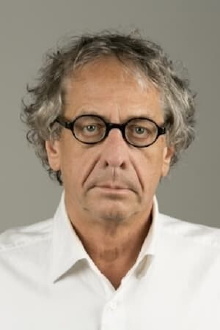
Venezuelan filmmaker, a graduate architect (Simon Bolivar University, Caracas, 1982), studied Cinematography at PWSFTviT in Lodz, Poland (1990).

Qué Hago Yo Aquí TrailerLove in Concrete Trailer
Venezuelan filmmaker, a graduate architect (Simon Bolivar University, Caracas, 1982), studied Cinematography at PWSFTviT in Lodz, Poland (1990).

Total trailers found: 14

09 March 2019
Five domestic stories, five characters, and their families. Small stories that magnify their small ambitions, pettiness, hope, and discouragement, which for each of them are moving, definitive and tragic.
31 March 1993
Four nights in Caracas. A documentary essay about chaos and civilization.
01 January 2019
Coco reaches her drama class at the last moment. Allowed to take her seat on stage, she embarks a trip into her past for a very special sensory meeting.
20 April 2004
Franco de Peña's movie deals with three very different love stories, all taking place on the Avenida Libertador, the main avenue of Caracas.
01 January 1991
The film is a true story on the life of the Kocho Topencharov, who after 40 years spent in Albania, returns in his fatherland – Macedonia, with his wife and children.
01 April 2009
Music documentary about Billo Frómeta by director Rafael Marziano Tinoco from Venezuela.
01 January 1987
Portrait of a family isolated from civilization, and the aspect of death, seen from the viewpoint of a child.
01 October 1996
The collective heroes of the film represent the Chinese Korea society: its past, present and future. The director examines the particular experience of the ethnic group without dramatization, as he paints their portrait with genuine respect for the tragedy of the subjects.
