On the left of the screen, a small group of men lift the top off of what appears to be a turbine with a crane and continue to check the machine, tightening various parts with wrenches.
This scene is a part of the very first film shot produced by the Manaki Brothers. Despina, the Janaki and Milton Manaki's grandmother, was recorded weaving in one high-angle shot.
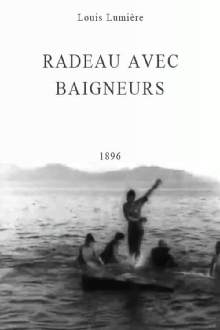
In the background is a row of three-masted sailing ships, at anchor, their sales furled. In the foreground, a simple pier that's more like a yardarm juts out above the water; about 15 boys of six or seven years of age are on the jutting wood, and they jump off into the water below.
The film shows a parade down Fifth Avenue, New York. In the foreground many children, both black and white, can be seen following alongside the parade.
They set off, looking for work in far-off places, but disappeared along the way. Inspired by Shiv Kumar Batalvi’s “birha” poetry, the film traces the longing on both sides: on the part of those who are missing, and those that wait for them to return.
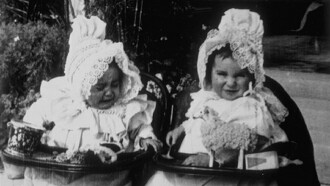
Two babies are shown seated next to each other, in high chairs, apparently enjoying themselves. Suddenly one snatches a toy from the other and they indulge in hair-pulling.
Comments
Have you watched Radeau avec baigneurs yet? What did you think about it?