Working men and women leave through the main gate of the Lumière factory in Lyon, France. Filmed on 22 March 1895, it is often referred to as the first real motion picture ever made, although Louis Le Prince's 1888 Roundhay Garden Scene pre-dated it by seven years.
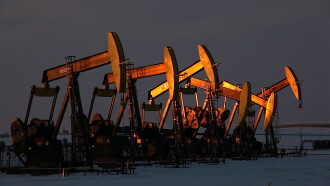
An oil boom has drawn thousands to America’s Northern Plains in search of work. Against the backdrop of a cruel North Dakota winter, the stories of three children and an immigrant mother intertwine among themes of innocence, home, and the American Dream.
Firefighters ring for help, and here comes the ladder cart; they hitch a horse to it. A second horse-drawn truck joins the first, and they head down the street to a house fire.
In the center of the ring the trainer forms a pile of baskets many feet in height. Greyhounds leap in rapid succession, forming a graceful arch and landing on the ground as lightly as so many feathers.
In the artist's studio, he asleep in his chair. A large old fashioned clock opens and a young lady comes out and awaking the artist, requests him to paint her picture.