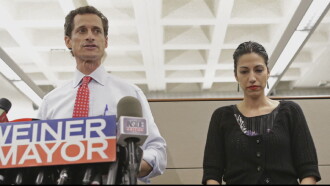
Documentary featuring a jaw-dropping, behind-the-scenes look at the attempted comeback of Anthony Weiner in 2013 as he mounts a campaign for New York City mayor in the wake of his sexting scandal.
Harvey Milk was an outspoken human rights activist and one of the first openly gay U.S. politicians elected to public office; even after his assassination in 1978, he continues to inspire disenfranchised people around the world.
In 1972, officer Frank Serpico exposes the corruption which poisons the roots of the NYPD and becomes famous in 1973 when director Sidney Lumet tells his story in the classic film “Serpico,” starring Al Pacino.
Ernie & Joe follows two officers with the San Antonio Police Department mental health unit who are diverting people away from jail and into mental health treatment — one 911 call at a time.
The opening shows a colored nursemaid in the park with baby carriage, and seated on a bench receives the attention of several smart colored men who admire her greatly and endeavor to make her acquaintance.
Compilation of two shorts also distributed independently: Cricket und Reifenspiel [Croquet and the Arc and Hook Game], and Springschnur und Amazonen [Jump Roping and the Amazons].
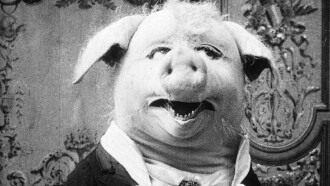
This short burlesque film presents an anthropomorphic pig in elegant dress flirting and dancing with a woman, before being humiliated and compelled to perform for her amusement.
Many demonstrations of the art of Jiu Jitsu are given, and as evidence that this is not a passing fad intended only for the amusement of the public there is illustrated in very thrilling manner how several footpads follow two girls and then in a deserted section of the road make an attack, which is successfully foiled and the perpetrators taken into custody.
A combination of the story of Goldlocks and the Three Bears with the true story of how Teddy Roosevelt spared a bear cub after killing its mother while hunting, an event which led to the popularization of the teddy bear.
On their wedding night, the newlyweds are ready to go to bed with the ceremony of taking off their clothes, the bride, and the groom wanting to see what he has not seen yet.
An impecunious chap is unable to pay his rent, whereupon he is ejected, but all his furniture is retained and he is allowed to remove only his rolling bed.