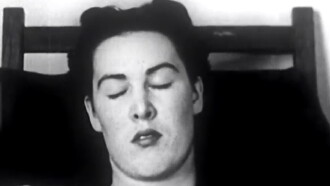
Signed by neurology professor Camillo Negro and cinematographer Roberto Omegna for the Società Anonima Ambrosio of Turin, Neuropathology is one of the first and most significant scientific documentaries in the history of cinema. Premiering in Italy on February 17, 1908, this film meticulously records a series of clinical cases of patients with various pathologies of the nervous system observed at the Cottolengo Hospital and neuropathological clinics in Turin between 1906 and 1908. The material includes studies of convulsions, spasms, ocular paralysis, ataxia, epileptic seizures, and other neurological disorders, presented with a didactic and scientific objective for physicians and neurology students.
Watch the official Neuropathology 1908 trailer in HD below.
Watch Full Movies Online
Sorry, we can't find the movie trailer you're looking for.
Either a trailer for this movie has not been released yet, or it
was removed following a request from the copyright holder.
Most movie fans know that the first filmmakers liked to shoot trains entering stations. This example by Sussex film pioneer George Albert Smith illustrates why.
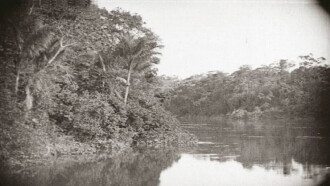
Documentary by Portuguese Silvino Santos, about the Amazon, its flora, fauna, its inhabitants and among other wonderful images from the beginning of the 20th century with alternating close-up shots of caimans, jaguars and tropical flora with footage of Indigenous rituals--including some of the earliest known moving images of the Indigenous Witoto people--and longer sequences showcasing the region’s extractive industries: rubber, the Brazil nut, timber, fishing, even the egret feathers that were a staple of women’s fashion at the time.
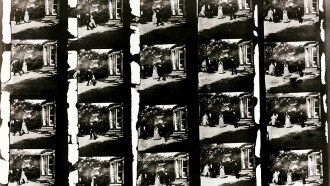
The earliest surviving motion-picture film, and believed to be one of the very first moving images ever created, was shot by Louis Aimé Augustin Le Prince using the LPCCP Type-1 MkII single-lens camera.
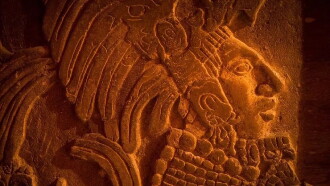
Filmed in IMAX, a young Mayan boy who lives close to the ruins becomes acquainted with an archaeologist (Guerra) and asks her to tell him about his ancestors.
Lost Worlds looks at untouched aspects of nature in parts of the world where humans rarely tread. From plants, to animals, to geology, this artfully photographed documentary presents facets of the biological world that you are not likely to see anywhere else.
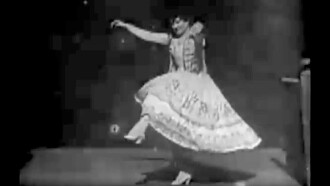
The first woman to appear in front of an Edison motion picture camera and possibly the first woman to appear in a motion picture within the United States.
The first scene presents before the astonished eyes of the spectators a solid piece of marble, which the minute it is placed on a table seems to take life, and one can follow a snake-like line branding on the polished face of the stone the name of the house of Pathé Frères.
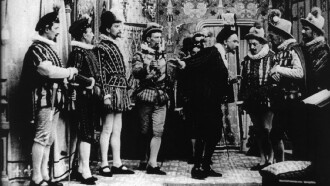
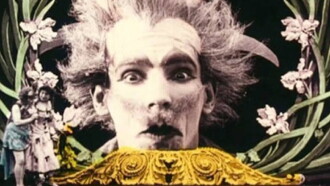
Prospero and his daughter Miranda must take refuge on an enchanted island. There Prospero, who himself has magical powers, releases the spirit Ariel from a spell, and also meets the savage Caliban.
Stable hostler Joe loves his wife Annie, but she leaves him and their child for a wealthy gentleman, only to die destitute in London, where Joe's enduring love brings her solace in her final moments.
This is an incomplete fragment of a longer film, so doesn’t make much sense, but it’s very beautiful and colourful with plenty of fireworks, flames and fountains as well as the customary fairies, magic and dancing.