In a comparative study between different forms of calligraphy, the film traces parallels between modern Japanese painting and traditional Japanese writing.
'Coffea arábiga' was sponsored as a propaganda documentary to show how to sow coffee around Havana. In fact, Guillén Landrián made a film critical of Castro, exhibited but banned as soon as the coffee plan collapsed.
Short docudrama exploring the history of sex in the homosexual community from the 1970s to the present day, and how the internet has changed the way gay men meet forever.
A short documentary to celebrate Hammer Films' 89th anniversary. Discover how Hammer has shaped the horror genre, influenced culture, and what the future holds.
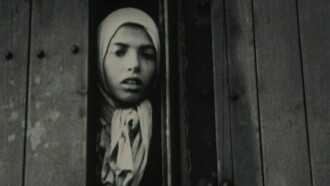
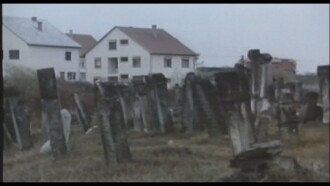
Two rabbis show the ruins of an abandoned synagogue to a group of primary school-age Jewish children, and stand by as the children dip bread in honey, drink wine, pray, and sing.
Working men and women leave through the main gate of the Lumière factory in Lyon, France. Filmed on 22 March 1895, it is often referred to as the first real motion picture ever made, although Louis Le Prince's 1888 Roundhay Garden Scene pre-dated it by seven years.
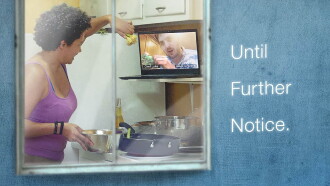
With his industry on lockdown and no end in sight, Toronto chef Luke Donato tries to keep his culinary passion alive during the COVID-19 pandemic - even if it means teaching a group of misfits online.
Popular movie trailers from 1958
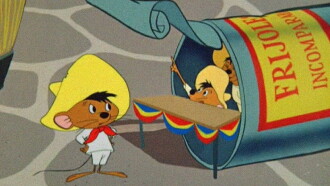
These some of the most viewed trailers for movies released in 1958:
The inhabitants of Cape Muroto in Kochi Prefecture depend on fishing for their living, but have no fishing port in their village and so use the port of Uraga in Kanagawa Prefecture as their main port.
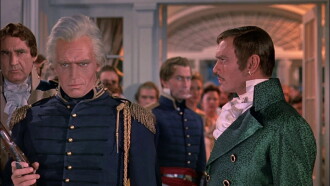
During the War of 1812 against Britain: General Andrew Jackson has only 1,200 men left to defend New Orleans when he learns that a British fleet will arrive with 60 ships and 16,000 men to take the city.
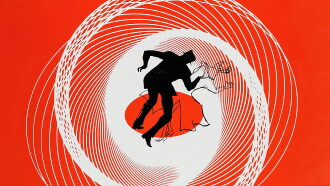
A retired San Francisco detective suffering from acrophobia investigates the strange activities of an old friend's wife, all the while becoming dangerously obsessed with her.
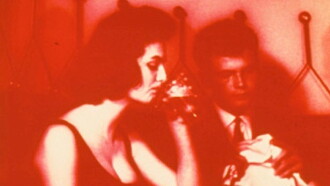
In 1957, Peter Kubelka was hired to make a short commercial for Schwechater beer. The beer company undoubtedly thought they were commissioning a film that would help them sell their beers; Kubelka had other ideas.
Reconstructs the case of United States vs. Darby Lumber Company, which, in 1941, resolved long struggles over the question of whether Congress had the right to set minimum wages, limit child labor, and in other respects legislate employment standards.
Comments
Have you watched Calligraphie Japonaise yet? What did you think about it?