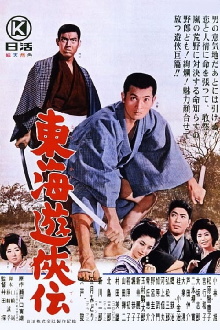
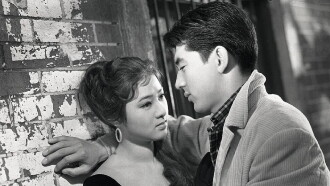
The film is set in Fukagawa in the early Showa period and depicts a fateful confrontation between two men who rise and fall in a black stream, trying to live a real human life, violating the cruel laws of the passing generation.
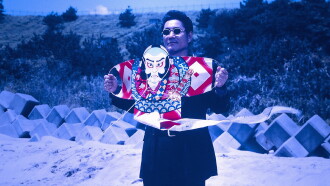
A lethal assassin for a secret Chinese organisation, who sheds tears of regret each time he kills, is seen swiftly and mercilessly executing three Yakuza gangsters by a beautiful artist.
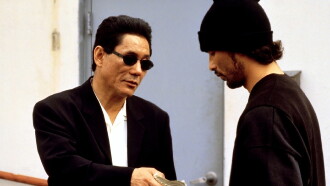
A Japanese Yakuza gangster's deadly existence in his homeland gets him exiled to Los Angeles, where he is taken in by his little brother and his brother's gang.
Two New York cops get involved in a gang war between members of the Yakuza, the Japanese Mafia. They arrest one of their killers and are ordered to escort him back to Japan.
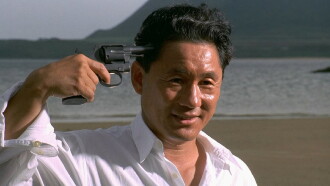
Murakawa, an aging Tokyo yakuza tiring of gangster life, is sent by his boss to Okinawa along with a few of his henchmen to help end a gang war, supposedly as mediators between two warring clans.
A respectable village head decides to keep his son away from the violent politics of rural life. However, fate intervenes, forcing the young man to not only return home, but also take up the sickle.
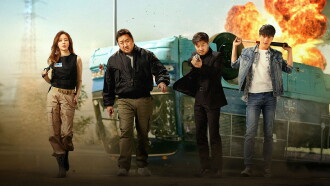
This action drama depicts a horrifying murder case over a photo of a mysterious beautiful woman hidden in a wallet, and the justice and love-hate relationship between the men involved in the case.
A four-time widow discusses her four marriages, in which all of her husbands became incredibly rich and died prematurely because of their drive to be rich.
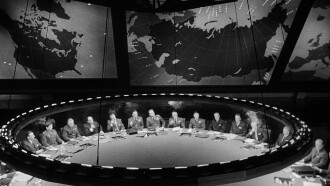
After the insane General Jack D. Ripper initiates a nuclear strike on the Soviet Union, a war room full of politicians, generals and a Russian diplomat all frantically try to stop it.
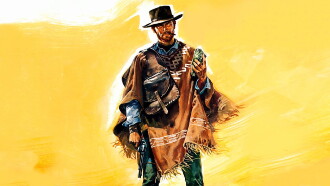
Traveling lawman comes to town and schools the residents in collective farming practices. There's also a bad guy with a lot of money who's cut off the water supply to the area's farmers, and the soul of a murder victim that manifests as a flying fireball.
An outdated fireclay factory is due to close, but its long-time employees can't imagine stopping what has fed them all their lives and what they do best.
Comments
Have you watched Tale on Tokai Chivalry yet? What did you think about it?